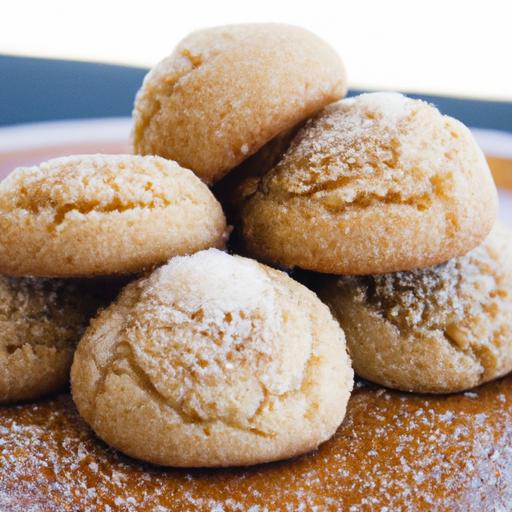

There’s a quiet magic in the kitchen whenever snickerdoodle cookies come to life-the soft, pillowy dough dusted with cinnamon sugar, the tender crackle of their golden edges, and that unmistakable tang that dances on the tongue.But beneath this comforting classic lies a fascinating world of chemistry and technique, where subtle shifts in ingredients and temperature transform simple components into the perfect snickerdoodle. This article peels back the layers of the sweet science behind these beloved treats, exploring how pH levels, sugar caramelization, and even the humble cream of tartar play starring roles in crafting that iconic flavor and texture. Whether you’re a seasoned baker or a curious cookie lover,join us on this delicious journey to understand what truly makes the perfect snickerdoodle cookie tick.
Understanding the Role of cinnamon in Achieving the Signature Snickerdoodle Flavor
The Sweet Science Behind Perfect Snickerdoodle cookies begins with cinnamon, the aromatic spice that defines their unmistakable flavor. Cinnamon’s warm, sweet, and slightly woody notes perfectly complement the buttery sweetness of the cookie dough while enhancing the subtle tang from cream of tartar and baking soda.When rolling the dough balls in cinnamon sugar before baking, you create a delicate crust that crackles on the surface, releasing bursts of fragrant spice with each bite.
Choosing high-quality, freshly ground cinnamon is crucial. Cassia cinnamon is most commonly used for its robust flavor, but a light sprinkle of Ceylon cinnamon can add a nuanced, sweeter dimension. This interplay brings the snickerdoodle’s identity to life-making the cinnamon not just a seasoning but the heart of the cookie’s signature taste.
Mastering Dough Texture for soft and Chewy perfection
The texture of snickerdoodle dough is where the sweet science truly unfolds, balancing softness with chewiness demands thoughtful control of wet and dry ingredients. Using room temperature butter creamed with sugars aerates the dough, creating a tender crumb. Though,overmixing can develop gluten,leading to a tougher bite,so gently combine the flour to keep the dough tender.
Incorporating an extra egg yolk can boost richness and moisture, contributing to a soft, dense chew that melts in your mouth. Additionally, the balance of granulated sugar and brown sugar affects moisture retention-brown sugar’s molasses content helps keep the interior moist while granulated sugar supports a delicate crust.
Chilling the dough for at least 30 minutes improves flavor development and prevents excessive spreading during baking,ensuring the characteristic thick,pillowy shape of the perfect snickerdoodle.
The Science of Leavening Agents and Cookie Rise in Snickerdoodles
Combining baking soda and cream of tartar creates a classic snickerdoodle lift through an acid-base reaction.Cream of tartar acts as a mild acid to activate baking soda, producing carbon dioxide bubbles that expand during baking. These bubbles lighten the dough, giving the cookie its signature puffy crown.
This reaction not only affects texture but also contributes to the slightly tangy note unique to snickerdoodles. Precise measurement is key-too much cream of tartar yields an unpleasant sourness, while too little results in flat, dense cookies. The Sweet Science Behind perfect Snickerdoodle Cookies teaches us that this subtle balance is essential for rise and flavor harmony.
Balancing Sweetness and Tartness for the Ideal Taste Experience
Achieving the ideal snickerdoodle flavor is a delicate dance of sweetness and tang.the granulated and brown sugars provide the foundational sweetness, but cream of tartar introduces a counterbalancing tartness that brightens the palate. This contrast prevents the cookie from becoming cloying and adds complexity to each bite.
Sprinkling the dough with cinnamon sugar before baking not only enhances cinnamon flavor but adds an extra layer of sweetness that caramelizes during cooking, creating a subtly crunchy surface. by understanding this balance, you craft cookies that feel indulgent yet refreshingly balanced-not overly sweet, but beautifully nuanced.
Prep and Cook Time
Preparation: 20 minutes | Chill: 30 minutes | Cooking: 10-12 minutes
Yield
approximately 24 medium-sized cookies
Difficulty Level
Easy to Medium – perfect for bakers looking to master cookie chemistry
Ingredients
- 2 ¾ cups all-purpose flour, sifted
- 2 teaspoons cream of tartar
- 1 teaspoon baking soda
- ½ teaspoon fine sea salt
- 1 cup unsalted butter, room temperature
- 1 ½ cups granulated sugar, divided
- 2 teaspoons cinnamon, ground (plus extra for rolling)
- 2 large eggs, room temperature
- 1 teaspoon pure vanilla extract
instructions
- Preheat your oven to 375°F (190°C). Line two baking sheets with parchment paper or silicone mats for even baking and easy cleanup.
- In a medium bowl,whisk together flour,cream of tartar,baking soda,and salt. Set aside.
- In a large bowl, cream butter with 1 cup granulated sugar using an electric mixer on medium speed until light and fluffy, about 3-4 minutes.
- Add eggs one at a time, beating well after each addition. Mix in vanilla extract on low speed.
- Gradually add dry ingredients to the wet,folding gently until just combined. Avoid overmixing for tender cookies.
- In a small bowl, combine ½ cup granulated sugar with 2 teaspoons ground cinnamon for rolling.
- Cover and refrigerate the dough for at least 30 minutes to firm up,which prevents spreading and deepens flavor.
- Once chilled,scoop tablespoon-sized dough balls and roll each generously in the cinnamon sugar mixture.
- Place the balls about 2 inches apart on the prepared baking sheets. Bake for 10-12 minutes until edges are set but centers are soft.
- Cool cookies on the baking sheet for 5 minutes before transferring to wire racks to cool wholly. Enjoy warm or fully cooled for optimal texture.
Chef’s Notes
- For extra chewiness, substitute ¼ cup of the all-purpose flour with cake flour.
- If a softer crust is preferred, add an additional egg yolk, which enriches texture and moisture.
- Use fresh cream of tartar for optimal rise and tang; old tartar loses acidity and flattens cookies.
- Make dough ahead and freeze dough balls on baking sheets, then store in a sealed bag for up to 3 months. Bake from frozen,adding 2 extra minutes to baking time.
- To enhance cinnamon aroma, lightly toast cinnamon powder in a dry skillet over medium heat for 1 minute before mixing into sugar.
Serving Suggestions
Present snickerdoodles stacked on a rustic wooden board or classic ceramic plate. Dust with a light sprinkle of powdered sugar or an extra dusting of cinnamon for a festive touch. Pair with a steaming cup of chai latte or classic vanilla ice cream for an indulgent dessert experience. For a fun twist, sandwich two cookies with cinnamon buttercream or cream cheese frosting for a decadent treat.

| Nutrient | Per Cookie (approx.) |
|---|---|
| Calories | 110 |
| Protein | 1.2g |
| Carbohydrates | 16g |
| Fat | 5g |
For related cookie baking techniques and flavor tips, check out our detailed guide on Cookies 101: Flavor and Texture. To explore the fascinating chemistry behind leavening agents, visit the comprehensive resource at Chemistry World.
Q&A
Q&A: The Sweet Science Behind Perfect Snickerdoodle Cookies
Q1: What exactly makes a snickerdoodle different from other sugar cookies?
A1: At first glance, snickerdoodles might look like your everyday sugar cookie, but their identity lies in two things: a coating of cinnamon sugar and a signature tang from cream of tartar. This magical ingredient not only brightens the flavor but also gives the cookie its classic chewy texture and slight tang, setting snickerdoodles apart from the sweeter, buttery sugar cookie family.
Q2: Why cinnamon? Is it just for flavor?
A2: cinnamon is the savory sidekick that transforms these cookies from ordinary to iconic. Beyond its warm, aromatic punch, cinnamon gently interacts with sugar to create a slightly caramelized crust when baked. This contributes to the cookie’s distinct flavor profile and adds a beautifully crackled surface,inviting the eye as much as the palate.
Q3: How dose cream of tartar influence the cookie’s texture?
A3: Cream of tartar is the unsung hero in snickerdoodles. It’s an acidic powder that reacts with baking soda to produce carbon dioxide bubbles. This helps the cookie rise and puff up just right, giving it that tender, slightly chewy interior while maintaining a crisp edge. plus, it stabilizes the egg whites, making the dough more elastic-which means these cookies hold their shape better and have that classic snickerdoodle snap.
Q4: What’s the secret to achieving the perfect crackle on top?
A4: That picturesque cracked top actually showcases the cookie’s internal steam escaping as it bakes. Rolling dough balls generously in cinnamon sugar before baking forms a thin, slightly crispy shell. As the cookie expands and rises, that shell breaks apart into charming fissures. Achieving the right dough consistency (not too wet, not too dry) and baking at the proper temperature are crucial for this signature look.
Q5: How crucial is chilling the dough?
A5: Chilling the dough is almost like giving it a beauty rest. It solidifies the fats, slows down the spreading during baking, and helps intensify flavor as ingredients meld. This step ensures cookies keep their plump shape rather of flattening out, contributing to that perfect balance of chewy center and crisp edge.
Q6: Can you substitute ingredients without losing the snickerdoodle essence?
A6: While it’s tempting to tweak ingredients-like swapping butter for oil or omitting cream of tartar-you risk diluting the very soul of the snickerdoodle.Cream of tartar provides that signature tang and texture, and butter’s richness carries the cinnamon sugar coating beautifully. If alternatives are needed, consider them carefully and expect some trade-offs in texture or flavor.
Q7: How does sugar effect the texture and flavor?
A7: Sugar in snickerdoodles serves dual roles. Granulated sugar sweetens and contributes to the cookie’s structure by interacting with butter and eggs during creaming, trapping air for rise and lightness. The external dusting of cinnamon sugar adds a crunch and bursts of sweetness with every bite. The balance between these two forms of sugar is critical for the cookie’s classic contrast between tender inside and crisp exterior.
Q8: Is timing crucial during baking?
A8: Absolutely. Snickerdoodles are deceptively delicate. Bake them too long, and they lose their chew and become brittle; too short, and they remain doughy. Timing allows the sugars to caramelize just enough for flavor and crackle without burning. generally, aiming for a pale golden color with those telltale cracks is your cue to pull them from the oven.
Q9: What’s the best way to store snickerdoodles to maintain their perfect texture?
A9: As snickerdoodles thrive on that contrast of crisp exterior and soft interior, storing them right keeps the balance intact. Use an airtight container at room temperature, separating layers with parchment paper to prevent sticking. If they start to lose their chewiness, a few seconds in the microwave can soften them up, like fresh-baked warmth on demand.
Q10: in a nutshell, what’s the science that turns simple ingredients into these irresistible treats?
A10: The magic of snickerdoodles lies in chemistry and technique. The acidic cream of tartar reacts with baking soda to create lift and tang; butter and sugar’s interaction traps air that bakes into lightness; cinnamon sugar forms a caramelized,fragrant coating; and precise baking locks in the ideal texture. Together, these elements orchestrate a symphony of flavor and mouthfeel, making snickerdoodles a timeless scientific and culinary delight.
Final Thoughts
As the last fragrant swirl of cinnamon dances on your palate and the tender crumb of a perfectly baked snickerdoodle melts away, you begin to appreciate that this humble cookie is much more than a simple treat. Behind every batch lies a delicate balance of chemistry and craft-where precise measurements meet the magic of heat, and the tang of cream of tartar transforms dough into delight. Understanding the sweet science behind snickerdoodles not only elevates your baking but deepens your gratitude for the alchemy hidden in your kitchen. So next time you bite into that soft, cinnamon-kissed cloud, remember: you’re savoring the perfect blend of ingredients, technique, and a little sprinkle of science. Happy baking!