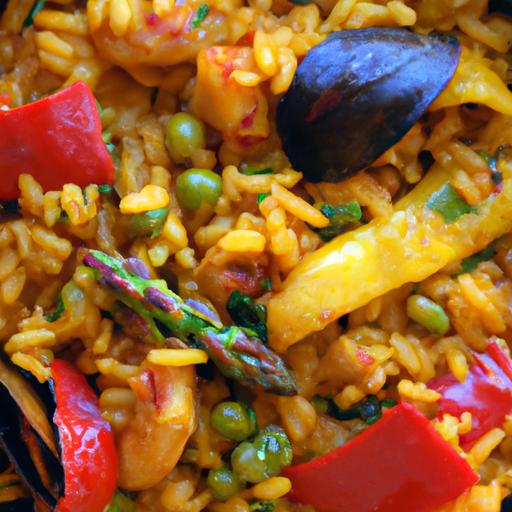

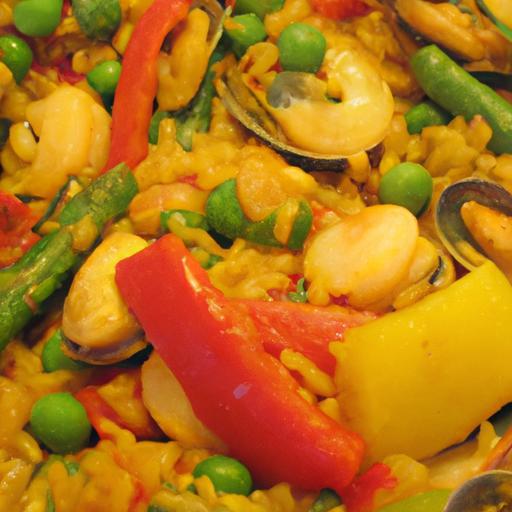
Bursting with vibrant colors adn rich aromas, paella is more than just a dish-it’s a festivity of tradition, culture, and community.While the classic versions of this Spanish masterpiece often center around seafood and meats, the rise of plant-based cuisine invites us to explore paella through a fresh, compassionate lens. in this guide,we’ll dive into the heart of authentic vegan paella,uncovering the secrets that bring its signature smoky depth and hearty textures to life-without compromising on flavor or soul. Whether you’re a seasoned vegan or simply an adventurous foodie, prepare to savor every bite of this timeless treasure reimagined for today’s palate.
savor the Flavors of Spain with this vibrant and aromatic vegan paella, a dish that captures the essence of Spanish cuisine while honoring plant-based traditions.Originating from the Valencian region, paella is more than just a meal-it is a communal celebration of fresh, local ingredients and soulful cooking. This plant-based rendition preserves the heart of the classic recipe by highlighting bold saffron-infused rice accompanied by a medley of colorful vegetables and smoky spices, making it both visually stunning and deeply satisfying.
Prep and Cook Time
- Preparation: 20 minutes
- Cooking: 40 minutes
- Total Time: 1 hour
Yield
Serves 4 generous portions
Difficulty Level
Medium – Great for home cooks ready to experiment with customary techniques and rich flavors
Ingredients for the Perfect Plant-Based Paella
- 2 tablespoons extra virgin olive oil
- 1 medium onion,finely chopped
- 4 cloves garlic,minced
- 1 red bell pepper,sliced into strips
- 1 yellow bell pepper,sliced into strips
- 1 cup green beans,trimmed and halved
- 1 cup artichoke hearts,quartered (fresh or frozen)
- 1 cup cherry tomatoes,halved
- 1 ½ cups bomba or short-grain rice
- 4 cups vegetable broth,warmed
- ½ teaspoon smoked paprika
- 1 teaspoon sweet paprika
- Pinch of saffron threads,soaked in 2 tablespoons warm water
- ½ cup frozen peas
- Juice of 1 lemon
- Salt and freshly ground black pepper to taste
- Fresh parsley,chopped for garnish
Mastering Traditional Techniques with a Vegan Twist
- Heat the olive oil in a wide,flat paella pan or heavy-bottomed skillet over medium heat.
- Add the onion and garlic, sautéing until translucent and fragrant-about 5 minutes. Stir frequently to prevent burning.
- Introduce the bell peppers, green beans, and artichoke hearts into the pan, cooking for 7-8 minutes until vegetables begin to soften but retain a slight crunch.
- Sprinkle in the smoked and sweet paprika, stirring well to coat the vegetables and release their smokiness.
- Add the rice, stirring constantly to toast the grains lightly, approximately 2 minutes, ensuring each grain glistens with oil.
- Pour in the warm vegetable broth followed by the saffron-infused water, stirring just once to distribute ingredients evenly without breaking the rice.
- Bring to a gentle simmer; adjust heat so the mixture bubbles lightly but does not boil vigorously. Simmer uncovered for 20 minutes, without stirring, to develop the signature crust socarrat.
- Scatter the cherry tomatoes and peas on top during the last 5 minutes of cooking to add freshness and color.
- Once the rice is tender and liquid absorbed, remove from heat. Cover the pan with a clean kitchen towel and let the paella rest for 5 minutes to allow flavors to meld.
- Finish with a squeeze of lemon juice, a sprinkle of fresh parsley, and season with salt and pepper to taste.
Chef’s notes and Tips for Success
- Saffron Quality: For authentic color and aroma, invest in high-quality saffron threads. Soak before adding to release maximum flavor.
- Rice Choice: Bomba rice absorbs liquids beautifully without getting mushy. If unavailable,short-grain Arborio can be a substitute but adjust liquid accordingly.
- Vegetable Variations: Feel free to swap in seasonal vegetables like artichokes, zucchini, or asparagus. for added protein, include cooked chickpeas or vegan sausage slices.
- Socarrat alert: The prized crispy crust forms best without stirring during simmering. If unsure, slightly increase heat in the last minutes but watch carefully to avoid burning.
- Make-Ahead: Assemble everything up to simmering, refrigerate, then cook or reheat gently.Avoid stirring to retain texture.
Delightful Pairings and Serving Suggestions to Elevate Your Dish
This vegan paella is best enjoyed straight from the pan, inviting sharing and conversation. Garnish with extra lemon wedges for brightness and a fennel salad with orange segments for a refreshing contrast.Pair with a chilled Spanish white wine, such as Albariño, or a crisp sparkling water infused with mint and lime.For dessert, consider a light almond flan or fresh seasonal fruit to round out the meal.

| Nutrient | Per Serving |
|---|---|
| Calories | 350 |
| Protein | 8g |
| Carbohydrates | 60g |
| Fat | 7g |
For deeper insights into Spanish cuisine and vegan adaptations, explore our collection of plant-based Spanish dishes. To understand the cultural importance and history of paella, visit Spanish Cooking LA, a trusted resource on traditional recipes.
Q&A
Q&A: Savor the Flavors – A Guide to Authentic Vegan Paella
Q1: What makes paella truly authentic?
A1: authenticity in paella lies in its origins, ingredients, and technique. Traditional paella hails from the Valencia region of Spain and celebrates local produce, short-grain rice (like bomba), and the use of a wide, shallow pan. the hallmark of authenticity is the glorious socarrat-the crispy, caramelized layer of rice kissed by the pan’s heat. While the classic versions usually include meats or seafood, an authentic vegan paella embraces the spirit of the dish by highlighting fresh, vibrant vegetables, legumes, and fragrant spices, respecting tradition while innovating mindfully.
Q2: Can vegan paella capture the essence of the original?
A2: Absolutely! While it forgoes animal products, vegan paella uses an array of vegetables like bell peppers, artichokes, green beans, and tomatoes, along with smoky smoked paprika and saffron. The umami kick frequently enough comes from ingredients like roasted mushrooms or sun-dried tomatoes, creating layered depth. The key is to develop flavors slowly and carefully to honor the soulful medley that defines traditional paella. The result is a dish as vibrant and hearty as its classic counterpart.Q3: Which rice variety should I choose for the best vegan paella?
A3: Bomba rice is king for paella. Its short, plump grains absorb liquid well without turning mushy, holding firm while soaking in flavors. If bomba isn’t available, other short-grain varieties like Calasparra or arborio rice can work, but steer clear of long-grain rices which won’t properly absorb the broth or create the desired texture.
Q4: How meaningful is saffron,and can I substitute it in vegan paella?
A4: Saffron is the golden thread of paella - imparting a subtle floral aroma and a warm yellow hue. While it’s prized for authenticity, it can be pricey and hard to find. A pinch of turmeric can mimic the color but lacks saffron’s complex taste. For an affordable boost, combining turmeric with smoked paprika helps create that signature warmth and smokiness. When possible, embrace saffron for the full sensory journey.
Q5: What cooking tools are essential for making a perfect vegan paella?
A5: The traditional paella pan is shallow, wide, and made from carbon steel, which helps achieve even cooking and the precious socarrat. If you don’t own one, a large skillet or wide sauté pan with low edges will do in a pinch. A good wooden spoon is handy for stirring, and an open flame or stovetop with adjustable heat controls helps regulate cooking gently and evenly.
Q6: How can I build layers of flavor in my vegan paella?
A6: Begin by sweating aromatics like garlic, onions, and peppers in olive oil until soft and fragrant. Toast the rice briefly to coat each grain before slowly adding a homemade vegetable broth infused with saffron and smoked paprika.Incorporate your vegetables in stages-denser ones like green beans or artichokes first, then softer tomatoes and peas toward the end. Patience is key-let the rice absorb the broth slowly, and resist the urge to stir too much. Finish with fresh parsley and a squeeze of lemon to brighten the whole dish.Q7: Can vegan paella be a festive dish?
A7: Without a doubt! Paella is a social, celebratory dish designed to feed crowds and spark conversation. Vegan versions are perfect for modern gatherings where inclusivity and conscience meet. The colorful medley of vegetables, exotic aromas, and the communal style of eating from the pan invites sharing, making it a joyous centerpiece at any table.
With this guide, your vegan paella journey will be rich, soulful, and steeped in tradition-offering a new way to savor the flavors of Spain with every vibrant, plant-powered bite.
Key Takeaways
As the last spoonful of vibrant, saffron-infused goodness settles on your palate, you’ll realize that authentic vegan paella is more than just a dish-it’s a celebration of tradition, creativity, and the rich tapestry of plant-based flavors. By embracing fresh ingredients, time-honored techniques, and a dash of culinary adventure, you can craft a paella that honors its heritage while delighting modern tastes. So whether you’re a seasoned vegan or simply curious, let this guide inspire your next cooking journey to savor the true essence of Spain’s beloved classic-one colorful, fragrant bite at a time.