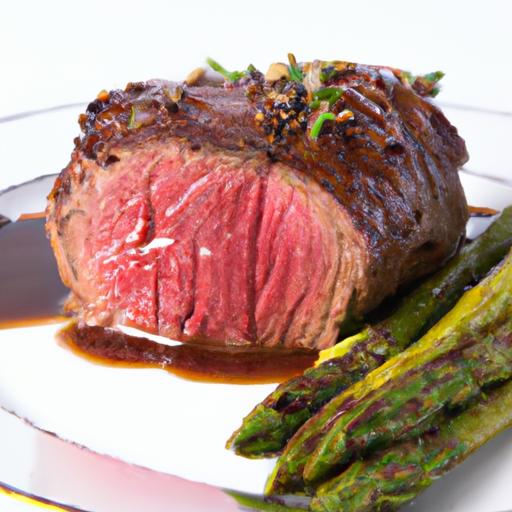

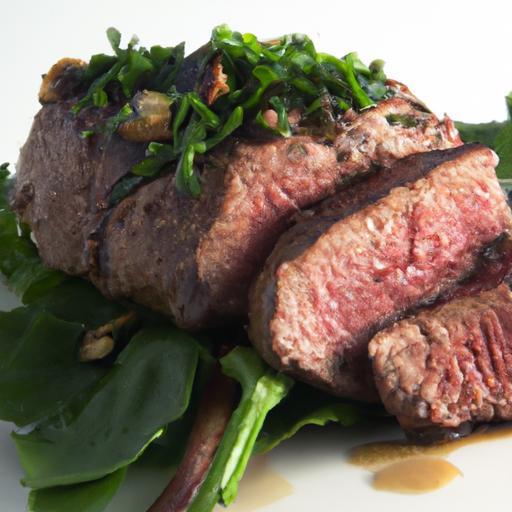
Few culinary pleasures rival the exquisite taste and tender texture of a perfectly grilled beef tenderloin. Whether celebrated at an intimate dinner or the centerpiece of a festive gathering, this succulent cut demands both respect and skill. Mastering the art of grilling beef tenderloin is a journey that blends precision, timing, and an understanding of flavors, transforming a simple slab of meat into a mouthwatering masterpiece.In this article,we’ll delve into the essential techniques,tips,and secrets that elevate your grilling game,ensuring every bite is juicy,flavorful,and cooked to perfection. Prepare to unlock the full potential of this luxurious cut and impress your guests with a steak experience worthy of the finest steakhouse.
Mastering the Art of Perfectly grilled Beef Tenderloin begins with selecting the finest cut and preparing it thoughtfully to maximize every mouthwatering bite. This prized cut, renowned for its buttery tenderness and subtle flavor, deserves attention from the moment you pick it at the butcher’s counter through the final gourmet sizzle on your grill. Whether you’re gearing up for a special dinner or simply elevating your weekend cookout,understanding how to marry expert marinades,precise heat control,and graceful resting techniques will transform your beef tenderloin into a show-stopping centerpiece.
Prep and Cook Time
- Preparation: 20 minutes (plus 2 hours marinating)
- Grilling: 25-30 minutes (depending on thickness and desired doneness)
- Resting: 10-15 minutes
Yield
Serves 4-6 elegantly, depending on portion size
difficulty Level
Medium – approachable even for confident home cooks eager to master grilling nuances
Ingredients
- 1 (2 to 2.5 lb) whole beef tenderloin, trimmed and tied (ask your butcher for precision trimming)
- 1/4 cup extra virgin olive oil
- 3 cloves garlic, minced
- 2 tablespoons fresh rosemary, chopped
- 1 tablespoon Dijon mustard
- 1 tablespoon balsamic vinegar
- 1 teaspoon freshly ground black pepper
- 1 1/2 teaspoons kosher salt
- 1/2 teaspoon smoked paprika
- optional: 1 teaspoon crushed red pepper flakes for subtle heat
Instructions
- Select your beef tenderloin: Look for a piece with a uniform shape for even cooking. The tenderloin should be a vibrant deep red with fine marbling. Ask your butcher to remove the silver skin and tie the roast with kitchen twine so it holds shape while grilling.
- Prepare the marinade: In a medium bowl, whisk together olive oil, minced garlic, chopped rosemary, Dijon mustard, balsamic vinegar, salt, pepper, smoked paprika, and optional red pepper flakes. This blend will tenderize and infuse the beef with aromatic layers of flavor.
- Marinate the beef: Place the beef in a large resealable bag or container. Pour over the marinade, ensuring an even coating. Refrigerate for at least 2 hours, preferably overnight, to unlock deep flavor penetration.
- Preheat your grill: Set up a two-zone fire – medium-high direct heat on one side and indirect heat on the other. aim for surface temps around 450°F (232°C) for searing.
- Sear the tenderloin: Remove beef from the marinade and pat it lightly dry (to promote browning). Place directly on the hot side of the grill. Sear each side for 2-3 minutes until a rich, caramelized crust forms.Use tongs to turn gently, avoiding piercing the meat.
- Move to indirect heat: Transfer to the cooler side of the grill and close the lid. Allow to cook slowly until an instant-read thermometer reads 125°F (52°C) for medium-rare, usually about 15-20 minutes, turning occasionally for uniform heat.
- Rest your beef: Remove from the grill, tent loosely with foil, and let rest for 10-15 minutes. This crucial pause lets juicy fibers redistribute, making every bite tender and moist.
- Carve and serve: Slice the tenderloin crosswise into 1/2-inch medallions against the grain. Arrange on a warm platter and garnish with fresh rosemary sprigs or a drizzle of chimichurri for an eye-catching finish.
Tips for Success
- room temperature meat: Let your beef rest outside the fridge for 30 minutes before grilling to ensure even cooking throughout.
- Marinade magic: Incorporate acid (like balsamic vinegar) carefully – too long can “cook” the surface. Stick to 2-4 hours for optimal texture.
- Thermometer is your best friend: Using a reliable instant-read thermometer guarantees perfect doneness without guesswork.
- Resting matters: Skipping this step leads to precious juices lost to your cutting board. The tenting helps keep heat in while juices redistribute.
- Variations: Swap rosemary for thyme or add a teaspoon of smoked sea salt for depth. Experiment with a coffee rub for a bold flavor twist.
Serving Suggestions
Elevate your presentation by pairing the sliced beef tenderloin with roasted garlic mashed potatoes or grilled seasonal vegetables brushed with herb butter. Garnish with fresh rosemary sprigs or edible flowers to create a restaurant-quality aesthetic at home.A simple pan sauce made from reduced beef stock with shallots and a splash of red wine makes an elegant companion. For a fresh contrast, serve alongside a peppery arugula salad with shaved Parmesan and lemon vinaigrette.

| Nutrient | Per Serving |
|---|---|
| calories | 350 kcal |
| Protein | 46 g |
| Carbohydrates | 2 g |
| Fat | 18 g |
Q&A
Q&A: mastering the Art of Perfectly Grilled Beef Tenderloin
Q1: What makes beef tenderloin such a prized cut for grilling?
A1: Beef tenderloin is the epitome of elegance in the steak world. It’s prized for its buttery tenderness and delicate flavor, thanks to minimal connective tissue and fine muscle fibers. When grilled right, it offers a melt-in-your-mouth experience that’s both juicy and refined.
Q2: How do I choose the perfect beef tenderloin for grilling?
A2: Look for a tenderloin with a vibrant, rich red color and fine marbling – those little veins of fat that melt into the meat during cooking, adding flavor and juiciness. Ideally, select a whole tenderloin or thick center-cut filets for uniform cooking. freshness is key: opt for cuts that are firm to the touch and smell fresh, never sour.
Q3: What’s the secret to seasoning beef tenderloin before grilling?
A3: Simplicity reigns supreme. Let the pristine flavor shine with a generous sprinkle of kosher salt and freshly cracked black pepper. for an elevated touch,add garlic powder or fresh herbs like rosemary and thyme. Apply seasoning at least 40 minutes before grilling to allow the salt to penetrate,or even better,season it overnight for a deep,savory profile.
Q4: How do I prepare the grill to achieve the perfect sear?
A4: preheat your grill to high heat – approximately 450°F to 500°F – ensuring the grates are clean and lightly oiled to prevent sticking. A hot grill creates that coveted caramelized crust, sealing in juices and flavor. For even cooking, set up a two-zone fire: one side blazing hot for searing, the other cooler for finishing the cook.
Q5: What grilling technique works best for beef tenderloin?
A5: Start with a direct sear over the hot zone, about 2-3 minutes per side, to develop a rich crust. Then,move the tenderloin to indirect heat to finish cooking gently and evenly. This two-stage approach balances exterior char and interior tenderness – the hallmark of perfectly grilled beef tenderloin.
Q6: How can I tell when my beef tenderloin is perfectly cooked?
A6: Invest in a reliable meat thermometer – it’s your best friend.Aim for an internal temperature of 125°F for rare, 135°F for medium-rare, or 145°F for medium. Remember, carryover cooking will raise the temperature by a few degrees after you remove the tenderloin from the grill, so pull it off just before your target.
Q7: Should I rest the tenderloin after grilling?
A7: Absolutely! Resting is non-negotiable.Tent the beef with foil and let it rest for 10-15 minutes. this allows the juices to redistribute throughout the meat, preventing a dry, tough bite. The result? A tender, juicy slice that truly melts on your tongue.
Q8: Any tips for serving beef tenderloin at its best?
A8: Slice with a sharp knife against the grain to maximize tenderness. Pair it with complementary sides like garlic mashed potatoes, grilled asparagus, or a fresh chimichurri sauce for a burst of herbal brightness. And don’t forget a bold red wine-Cabernet Sauvignon or Malbec heighten the beef’s rich flavors beautifully.
Q9: What common mistakes should I avoid when grilling beef tenderloin?
A9: Avoid rushing the process – grilling over too high heat without a two-zone setup can lead to a burnt exterior and raw center.Under-seasoning is another pitfall; even premium cuts need proper seasoning to shine.Lastly, skipping the rest period robs the steak of its juiciness – patience pays off.
Q10: Can I grill beef tenderloin indoors if I don’t have an outdoor grill?
A10: Definitely! A cast-iron skillet or grill pan over high heat mimics the grill’s sear effectively. Use your oven’s broiler for indirect heat finishing. the principles remain the same: high heat for searing, then gentler cooking to desired doneness.
Mastering the art of perfectly grilled beef tenderloin is a flavorful journey combining quality ingredients, precise technique, and a touch of patience. Follow these tips, and you’ll turn every cookout into a gourmet experience worthy of any celebration. Happy grilling!
Key Takeaways
As the final sear caramelizes the surface of your beef tenderloin, you’ll realize that mastering this culinary craft is more than just a technique-it’s a symphony of timing, temperature, and touch. With patience and practice, each grilled masterpiece will tell a story of flavor and finesse, transforming a simple cut of meat into an unforgettable centerpiece.So fire up your grill, embrace the journey, and savor the rewarding art of perfectly grilled beef tenderloin-where every bite is a celebration of skill and taste.