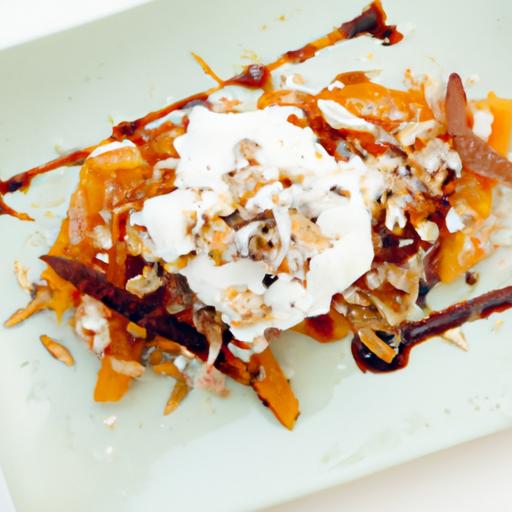

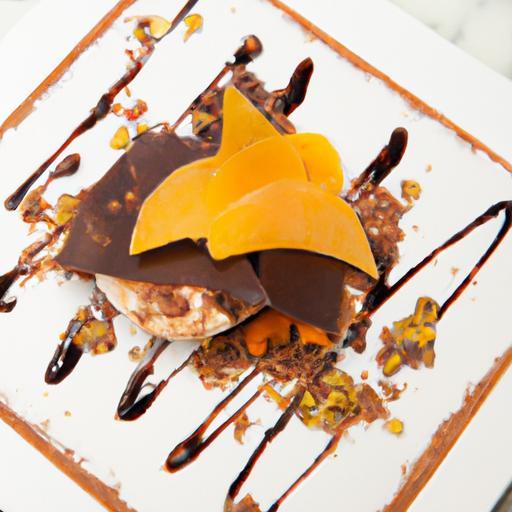
There’s a certain magic in the way simple almonds transform into golden treasures, glistening with a glossy, caramelized coat that crackles delightfully with each bite. “Golden Delight: The Art and Science of Caramelized Almonds” delves into this enchanting fusion of culinary creativity and precise technique. From the delicate dance of heat and sugar to the alchemy that turns humble nuts into irresistible confections, this article explores not just how caramelized almonds are made, but why they captivate our senses and have stood the test of time as a beloved treat. Join us as we unwrap the secrets behind their perfect crunch, rich flavor, and radiant glow-inviting you to experience a timeless craft where art meets science in every glossy, golden bite.
Golden Delight: The Art and Science of caramelized Almonds invites you to explore the fascinating chemistry and culinary precision that transform humble almonds into a luscious, crunchy treat. This process is a lovely dance of heat, sugar, and nutty flavors, perfected by understanding the almond variety, mastering temperature control, and careful storage.
Prep and Cook Time
- Planning: 10 minutes
- Cooking: 15 minutes
- Total time: 25 minutes
Yield
Approximately 2 cups of caramelized almonds, perfect for snacking, topping desserts, or gifting.
Difficulty Level
medium: Requires attentive cooking but straightforward steps suitable for home cooks ready to elevate their snack game.
Ingredients
- 2 cups raw whole almonds (preferably Marcona or Nonpareil for optimal flavor and crunch)
- 3/4 cup granulated sugar
- 1/4 cup water
- 1/2 tsp fine sea salt
- 1 tsp pure vanilla extract (optional for aromatic depth)
- 1 tbsp unsalted butter (for richness and sheen)
Instructions
- Prepare your workspace: Line a large baking sheet with parchment paper for easy removal and cooling.
- Select your almonds: Choose fresh, high-quality almonds such as Marcona for a buttery, tender bite or Nonpareil for classic, crunchy texture. Rinse and pat them completely dry to ensure even coating.
- Make the caramel base: In a medium heavy-bottomed skillet over medium heat, combine sugar and water. Stir gently until sugar dissolves completely; avoid splashing the sides of the pan to prevent crystallization.
- Monitor temperature carefully: Allow the sugar solution to simmer without stirring until it reaches a golden amber hue, about 320°F (160°C) on a candy thermometer. This precise temperature ensures deep caramelization without bitterness.
- Add almonds to the caramel: Quickly but carefully, stir in the almonds to coat them evenly. Keep stirring to prevent clumping and ensure uniform glazing.
- Enhance flavor with salt and butter: Sprinkle in the sea salt and add butter, stirring until melted and glossy. finish with vanilla extract if desired for a subtle fragrant note.
- Spread and cool: Immediately transfer the caramelized almonds onto the parchment-lined baking sheet, spreading them into a single layer. Separate any clusters with a non-stick spatula while still warm.
- Let rest: Allow to cool completely at room temperature. This step solidifies the caramel and locks in the perfect golden crunch.
Tips for Success
- Almond variety matters: Marcona almonds have a finer texture and natural sweetness, elevating the caramel’s harmony, while Nonpareil almonds offer crunch and conventional appeal.
- Avoid crystal formation: Use a wet pastry brush to wipe down pan edges during sugar cooking.
- Temperature control is king: Use a reliable candy thermometer and never rush the caramelization process. Too low and your coating will be sticky; too high and it’ll taste burnt.
- Storage tips: Store cooled caramelized almonds in an airtight container at room temperature,away from humidity. For longer storage (up to 2 weeks), freeze in a sealed bag.
- Make ahead: Caramelized almonds keep well and can be made days in advance for gatherings or gifting.
Serving Suggestions
Serve caramelized almonds as a delightful standalone snack or sprinkle them over your favorite ice cream, yogurt bowls, or salads for a sweet crunch. They make an elegant garnish atop chocolate tarts or cakes, adding visual appeal and a satisfying texture contrast. For a festive touch,toss a handful with dried cranberries and crystallized ginger.
| Nutrient | Per 1/4 cup (approx.) |
|---|---|
| Calories | 200 |
| Protein | 5g |
| Carbohydrates | 22g |
| Fat | 12g |

For a deeper dive into nut roasting techniques, check out our Ultimate guide to Roasted Nuts. To understand more about sugar caramelization chemistry, visit Cook’s Illustrated.
Q&A
Q&A: Golden Delight – The Art and science of Caramelized Almonds
Q1: What makes caramelized almonds such a beloved treat around the world?
A1: Caramelized almonds captivate both the palate and the senses with their perfect harmony of sweet, nutty, and toasty flavors. The golden,glossy coating is more than just sugar-it’s a culinary transformation that creates a satisfying crunch and a depth of flavor that turns a simple almond into an irresistible delicacy.Their versatility, from snacks to toppings in desserts, further cements their global appeal.
Q2: How dose caramelization work when making caramelized almonds?
A2: Caramelization is a complex chemical dance where sugar molecules break down and reassemble at high heat, producing rich flavors and a beautiful amber hue. When almonds meet hot sugar syrup, the sugar envelops each nut, hardening into a crisp, shiny shell as it cools. This process not only adds sweetness but also creates that buttery,slightly bitter caramel note that contrasts magnificently with the almond’s natural earthy flavor.
Q3: What techniques elevate the art of caramelizing almonds from simple baking to gourmet magic?
A3: Mastering caramelized almonds requires balancing temperature control, timing, and stirring techniques. Slow and gentle heating prevents burning,while consistent stirring ensures even coating.Some artisans add a pinch of sea salt or a hint of vanilla or cinnamon to enhance complexity. The choice of sugar-white, brown, or even palm sugar-also influences the final flavor and texture, transforming this humble snack into a gourmet delight.Q4: Can caramelized almonds be made healthier without losing their signature crunch and flavor?
A4: Absolutely! Health-conscious variations might use natural sweeteners like honey or maple syrup in moderation or incorporate spices such as cinnamon or ginger for added antioxidant benefits. Roasting almonds before caramelizing them brings out their inherent oils and flavors, allowing for lighter sugar coatings. Additionally, portion control turns this rich treat into a satisfying, mindful indulgence.Q5: What are some creative culinary uses for caramelized almonds beyond snacking?
A5: Caramelized almonds bring an unusual crunch and sweetness to salads, yogurt bowls, and oatmeal.They shine as a topping for ice cream and desserts like tarts or panna cotta, providing texture and flavor contrast. Chopped finely, they can decorate cakes or be folded into chocolate bark. Even savory dishes benefit from a sprinkle of these sweet nuts, adding unexpected layers of taste.
Q6: Are there cultural variations in how caramelized almonds are prepared or enjoyed?
A6: indeed! In many Mediterranean countries, caramelized almonds often include regional spices like cardamom or anise. In Asia, variations might incorporate ingredients like sesame seeds or coconut sugar for unique textures and tastes. Street vendors in European Christmas markets serve them piping hot, fresh from the pan, creating a festive sensory experience that’s both nostalgic and mouthwatering.
Q7: What is the best way to store caramelized almonds to preserve their freshness?
A7: To maintain that perfect crunch and prevent moisture from turning them sticky, caramelized almonds should be stored in an airtight container at room temperature. Avoid humid environments and refrigerating, as condensation can soften the sugary coating. Properly stored, they remain appetizing for up to two weeks, allowing you to savor their golden delight over time.
Caramelized almonds are more than just a snack-they are a party of science and artistry,a testament to how simple ingredients transform through heat and skill into a timeless treat treasured across cultures.
Wrapping Up
As the final amber-hued almond slips from the pan, we find ourselves captivated not just by its sweet, crunchy allure, but by the harmony of chemistry and craft that transforms simple nuts into golden delights. caramelized almonds embody a delicious fusion of art and science-a delicate dance of temperature, timing, and technique that elevates humble ingredients into a sensory masterpiece. Whether enjoyed as a snack, a garnish, or a gift, these glossy treasures remind us that in the world of culinary magic, patience and precision unlock the sweetest rewards. So next time you savor that crackling crunch, take a moment to appreciate the alchemy behind the caramelized almond’s enchanting glow.