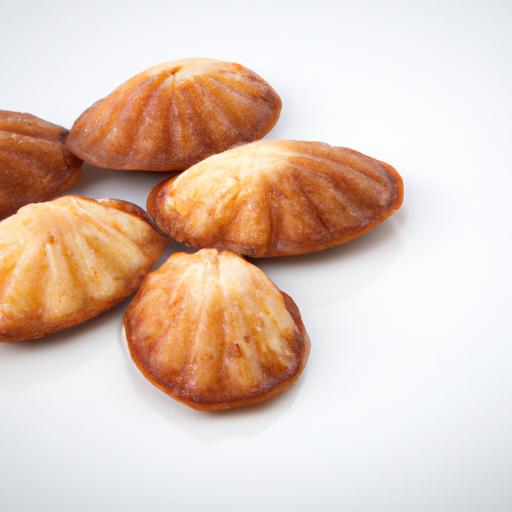

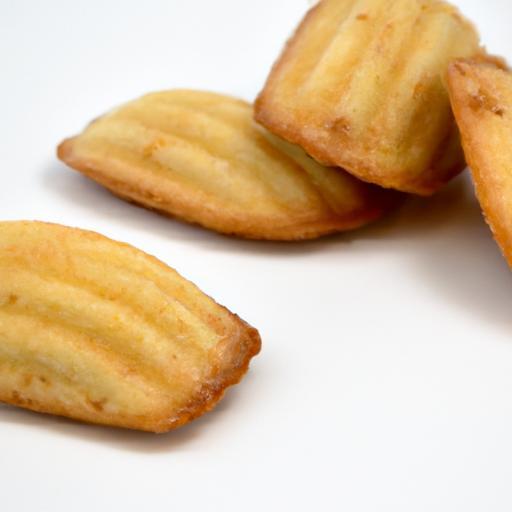
There’s something irresistibly charming about a madeleine-those petite, shell-shaped cakes that melt effortlessly on the tongue, leaving behind a delicate whisper of sweetness. Traditionally made with wheat flour,these French favorites have long delighted pastry lovers around the world. But what if you could savor that same tender crumb and buttery aroma without the gluten? Enter the delightful gluten-free madeleine: a soft,sweet treat that captures the vrey essence of this classic confection while welcoming those with dietary restrictions. In this article, we’ll explore how these delicate cakes are reimagined with gluten-free ingredients, offering a delectable option that’s as comforting as it is inclusive. whether you’re gluten-sensitive, experimenting with option flours, or simply in pursuit of a new twist on a beloved dessert, these madeleines invite you to indulge in a timeless pleasure-one bite at a time.
Delightful gluten-free madeleines are more than just a charming French pastry-they’re a gateway to experiencing soft, buttery sweetness without gluten worries. Rooted in the cobblestone streets of Lorraine,these petite shells enchant with their tender crumb and delicate aroma.Mastering their gluten-free transformation means understanding the science of ingredient choices and baking nuances that coax out their signature fluffiness and caramelized edges.
Prep and Cook time
- Preparation: 15 minutes
- Resting the Batter: 1 hour (crucial for signature texture)
- Baking: 10-12 minutes
Yield
Makes 18-20 small madeleines,perfect for sharing or savoring solo with a cup of tea.
Difficulty Level
Medium – Simple ingredients but requires some careful folding and patience for resting.
Ingredients
- 3/4 cup gluten-free all-purpose flour, sifted (ensure it contains xanthan gum)
- 1/4 cup almond flour for added moisture and richness
- 1/2 teaspoon baking powder
- 1/4 teaspoon salt
- 2 large eggs, at room temperature
- 1/2 cup granulated sugar
- 1 teaspoon pure vanilla extract
- 1 teaspoon lemon zest, finely grated (optional, for brightness)
- 1/2 cup unsalted butter, melted and cooled slightly
- Powdered sugar for dusting (optional)
Instructions
- Whisk together dry ingredients: In a medium bowl, combine the gluten-free all-purpose flour, almond flour, baking powder, and salt. Set aside.
- Beat eggs and sugar: In a separate large bowl, whisk the eggs and granulated sugar vigorously until pale, thick, and slightly fluffy (about 3-5 minutes with a hand mixer). This aeration is key to a light crumb.
- Add flavor and zest: gently fold in the vanilla extract and lemon zest to the egg mixture for aromatic depth.
- Incorporate dry ingredients: Carefully fold the dry ingredients into the egg mixture using a rubber spatula. Use gentle strokes to keep as much air as possible.
- Mix in melted butter: Slowly drizzle the cooled melted butter into the batter, folding until just combined. Avoid overmixing to prevent a dense texture.
- Rest the batter: Cover the bowl with plastic wrap and refrigerate for at least 1 hour. This crucial step allows the flours to hydrate and helps develop the signature hump.
- Prepare the pan: Preheat the oven to 375°F (190°C).Generously butter and flour your madeleine molds using gluten-free flour.Tap out excess flour.
- Scoop the batter: Spoon the batter into each mold cavity, filling about 3/4 full to allow space for rising.
- Bake: Place the tray in the oven and bake for 10-12 minutes, or until the edges turn golden brown and the center springs back when gently pressed.
- Cool and unmold: Remove from the oven and let the madeleines cool for 5 minutes in the pan. Then gently release them onto a wire rack to cool completely.
- Optional finishing touch: Dust lightly with powdered sugar before serving for a delicate, sweet finish.
Tips for Success with Delightful Gluten-Free Madeleines
- Choosing the right flour is essential. A blend that includes rice,tapioca,and potato starch with xanthan gum lends the best tenderness and elasticity.
- Resting the batter cannot be skipped; it helps stabilize the structure and enhances the pronounced hump on each shell.
- when folding, incorporate air but avoid overmixing to prevent tough or rubbery results.
- Butter temperature matters-too hot will cook the eggs,too cold won’t incorporate well. Aim for warm but not hot.
- Use a light dusting of gluten-free flour in molds, not too heavy, to prevent sticking and maintain crispness.
- To make ahead: Prepare batter the night before and refrigerate overnight,then bake fresh for guests or a treat.
Serving Suggestions to Elevate Your Delightful Gluten-Free Madeleines
Showcase these soft, sweet treats by pairing them with a generous spread of fresh raspberry jam or a dollop of whipped cream lightly infused with vanilla. A drizzle of warm honey or a sprinkle of toasted almonds lends texture and a nutty contrast. For a sophisticated touch, serve alongside freshly brewed Earl Gray or a frothy cappuccino.Garnish plates with edible flowers or thin lemon slices to evoke the madeleine’s luminous zest.
| Nutrient | per Madeleine (Approx.) |
|---|---|
| Calories | 90 kcal |
| Protein | 1.2 g |
| Carbohydrates | 12 g |
| Fat | 4 g |

For a deeper dive into masterful gluten-free baking, check out our Gluten-free Baking Tips & Tricks. To understand more about the science behind gluten substitutions, this Celiac Disease foundation resource offers expert guidance.
Q&A
Q&A: Delightful Gluten-Free Madeleines – A Soft, sweet Treat
Q: what exactly are madeleines?
A: Madeleines are petite, shell-shaped cakes originating from France, known for their tender crumb and subtly buttery flavor. Frequently enough enjoyed with tea or coffee, they’re little bites of sunshine that melt in your mouth.
Q: Can madeleines really be gluten-free and still taste great?
A: Absolutely! While conventional madeleines rely on wheat flour, a carefully crafted gluten-free version can be just as soft and flavorful. By swapping in almond flour, rice flour, or a blend of gluten-free flours, these treats maintain their ethereal texture and sweet charm.
Q: What makes gluten-free madeleines different in texture?
A: Gluten gives baked goods a certain elasticity and structure, so gluten-free madeleines frequently enough lean on ingredients like xanthan gum or extra eggs to replicate that springy, delicate bite. The result? Soft, moist little cakes that hold their shape but still feel light as air.
Q: Are gluten-free madeleines difficult to make?
A: Not at all! With a few tips-like chilling the batter before baking and using a well-greased madeleine pan-anyone can master these elegant treats. The key is patience and a gentle hand to keep that signature hump on top.
Q: What flavors complement gluten-free madeleines?
A: The classic lemon zest and vanilla combo is timeless, but these cakes are wonderfully versatile.Try incorporating almond extract, orange blossom water, or a dusting of cinnamon sugar. They’re also fantastic dipped in chocolate or drizzled with honey.
Q: Can I enjoy gluten-free madeleines if I’m not gluten-sensitive?
A: Definitely! These delightful treats aren’t just for those with gluten intolerance. Their light, sweet nature makes them a crowd-pleaser for anyone craving a petite dessert that feels indulgent but not heavy.
Q: How should gluten-free madeleines be stored?
A: For best freshness, keep them in an airtight container at room temperature for up to two days. They also freeze beautifully-perfect for baking batches ahead and savoring the soft sweetness whenever the mood strikes.
Q: Why try gluten-free madeleines?
A: Because everyone deserves a little slice of joy, no matter their dietary needs. Gluten-free madeleines prove that soft, sweet, and utterly delightful treats can be inclusive, inviting every palate to the party.
In Conclusion
Whether you’re navigating gluten sensitivities or simply seeking a tender, sweet bite to brighten your day, these delightful gluten-free madeleines offer a perfect balance of lightness and flavor. Their delicate crumb and subtle sweetness prove that gluten-free baking can be every bit as satisfying as traditional treats. So next time you crave a soft, buttery morsel, why not reach for these charming little cakes? With each nibble, you’re not just enjoying a dessert-you’re celebrating the joy of inclusive baking that anyone can savor.