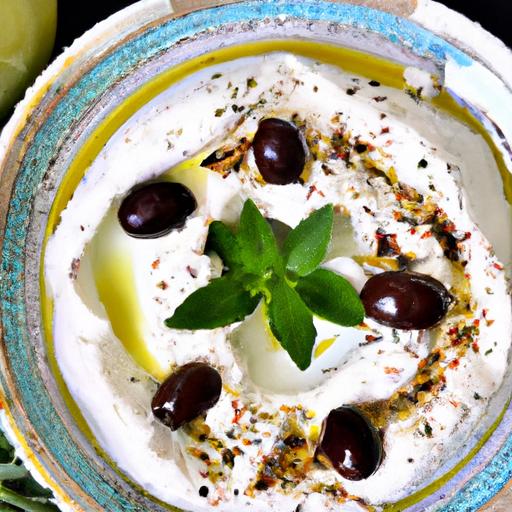

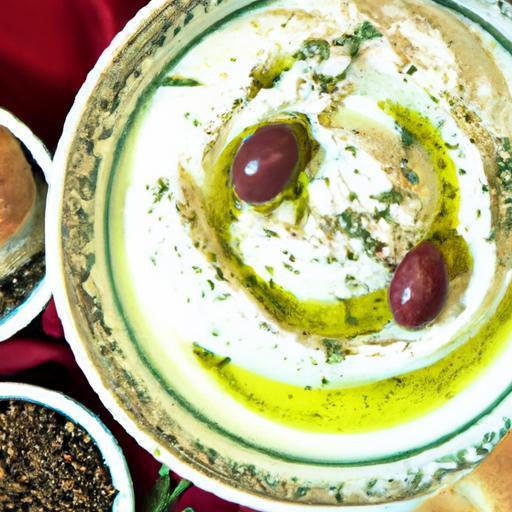
In the rich tapestry of Middle Eastern cuisine, few ingredients capture the essence of tradition and simplicity quite like labneh. This creamy, tangy yogurt cheese, revered for its velvety texture and subtle tartness, serves as a versatile cornerstone in countless dishes. When drizzled with golden olive oil and sprinkled with the aromatic, earthy blend of za’atar, labneh transforms into a luscious, flavor-packed delight that awakens the palate and tells a story of centuries-old culinary heritage. Join us as we explore the magic behind creamy labneh with olive oil and za’atar-a dish that beautifully marries wholesome ingredients with vibrant Middle Eastern flavors, inviting you to savor each spoonful of this timeless delicacy.
Creamy Labneh with Olive Oil & Za’atar is more than just a dip; it’s a luscious tribute to Middle Eastern culinary heritage that transforms simple strained yogurt into a velvety jewel. this versatile delight has graced breakfast tables and festive spreads for centuries, beloved for its tangy richness and evocative herbs. Crafting labneh at home allows you to control its creamy texture and awaken your palate with the rustic charm of za’atar and the golden kiss of premium olive oil. Let’s embark on this flavorful journey and unlock labneh’s true potential with easy steps and inspired pairings.
Prep and Cook Time
- Preparation: 10 minutes
- Straining Time: 12-24 hours
Yield
Approximately 1 cup of luscious labneh
Difficulty Level
Easy – Perfect for beginners and seasoned cooks alike
Ingredients
- 2 cups full-fat Greek yogurt (for the creamiest texture)
- ½ teaspoon sea salt
- 2 tablespoons extra virgin olive oil (plus extra for garnish)
- 1 tablespoon za’atar spice blend (freshly ground or store-bought)
- Optional garnishes: pomegranate seeds, chopped fresh mint, toasted pine nuts, lemon zest
Instructions
- Prepare your strainer: Line a fine-mesh sieve or colander with a doubled layer of cheesecloth or a clean kitchen towel. Set it over a large bowl to catch the whey.
- Mix the yogurt and salt: In a medium bowl, whisk 2 cups full-fat Greek yogurt with ½ teaspoon sea salt until smooth and well combined. This salt helps balance the tang and draws out moisture.
- Strain the yogurt: Spoon the salted yogurt into the cheesecloth-lined sieve. Fold the cloth over to cover the surface.
- Refrigerate and wait: place the setup in the fridge, allowing the yogurt to strain for 12-24 hours. The longer it strains, the thicker and creamier your labneh becomes.For a velvety texture, 18 hours is ideal.
- Transfer and season: Once thickened, transfer the strained yogurt into a serving bowl. Gently fold in 2 tablespoons of extra virgin olive oil and 1 tablespoon za’atar. The herbaceous za’atar infuses a fragrant punch that elevates every bite.
- Garnish and serve: Create a shallow well in the center of the labneh and drizzle with more olive oil. Sprinkle with extra za’atar, and if desired, scatter pomegranate seeds, fresh mint, or toasted pine nuts for bursts of flavor and color.
Tips for Success
- Choose quality yogurt: Opt for full-fat Greek yogurt with live cultures to ensure a rich texture and authentic tang.
- Straining time matters: For the creamiest labneh,resist the urge to peek frequently enough. Let gravity work its magic quietly in the fridge.
- Za’atar variation: Experiment with homemade za’atar blends using sumac, thyme, oregano, and toasted sesame seeds for a fresher herbal profile.
- Olive oil selection: Use a fruity, peppery extra virgin olive oil. Its complexity deepens the flavor and adds a silky mouthfeel.
- Make-ahead tip: Labneh tastes even better after resting a day. Store covered in the fridge for up to 5 days.
Serving Suggestions and Pairings
Serve this creamy labneh spread on warm, toasted pita or crusty sourdough bread. It makes a perfect base for a vibrant mezze platter, alongside crisp cucumber, ripe tomatoes, and olives. For a sweet-savory twist, pair with a drizzle of honey and crushed pistachios. Labneh is equally stunning dolloped on grilled vegetables or alongside smoky roasted meats, enriching every bite with its tang and creaminess. A light sprinkle of fresh herbs like mint or parsley adds brightness, while a final dash of za’atar enhances the herbaceous magic celebrated across Middle Eastern tables.
| Nutrient | Per 2 Tbsp Serving |
|---|---|
| Calories | 80 kcal |
| Protein | 5 g |
| Carbohydrates | 2 g |
| Fat | 6 g |
For more inspiration with Mediterranean ingredients, explore our Mediterranean Herb Recipes. To dive deeper into olive oil selection,visit International Olive council for expert guidance.

Q&A
Q&A: Creamy labneh with Olive Oil & Za’atar – A Flavorful Middle Eastern Delight
Q1: What exactly is labneh?
A: Labneh is a luscious, creamy strained yogurt that hails from Middle Eastern kitchens. Think of it as the tangy, velvety cousin of Greek yogurt, thicker and richer, boasting a smooth texture perfect for spreading, dipping, or dolloping.
Q2: How is labneh traditionally made?
A: Traditionally, labneh is created by straining plain yogurt through a cheesecloth or fine sieve for several hours or even overnight. This process slowly removes the whey, resulting in a dense, creamy consistency that’s both silky and slightly tangy-a culinary masterpiece born from simplicity.
Q3: Why is olive oil paired with labneh?
A: Olive oil is the golden elixir of the Mediterranean, and when drizzled over creamy labneh, it adds a fruity richness and a luscious sheen. The robust, peppery notes of good-quality extra virgin olive oil elevate the mild tanginess of labneh, creating a harmonious balance of flavors on the palate.
Q4: What is za’atar,and why is it used here?
A: Za’atar is a fragrant Middle Eastern blend of dried thyme,sumac,sesame seeds,and salt. Its aromatic, earthy, and slightly tangy profile adds a zesty sparkle to the creamy labneh. Sprinkling za’atar on top turns a simple dish into a vibrant sensory experience that awakens taste buds and honors centuries-old culinary traditions.
Q5: How can I serve creamy labneh with olive oil and za’atar?
A: The possibilities are endless! Serve it as a dip with warm pita bread or crunchy vegetables, spread it on toast for a flavorful breakfast, dollop it on salads or grilled meats as a refreshing contrast, or even use it as a base for savory bowls. Its versatility and depth of flavor make it a true kitchen hero.
Q6: Can I make labneh at home easily?
A: Absolutely! All you need is plain yogurt and a little patience. Simply strain the yogurt overnight using a cheesecloth or a fine mesh strainer set over a bowl. By morning, you’ll have homemade labneh to drizzle with olive oil and sprinkle with za’atar-fresh, tangy, and irresistibly creamy.
Q7: What makes this dish so culturally significant?
A: Labneh with olive oil and za’atar embodies the heart of Middle Eastern hospitality and tradition. It’s more than a dish; it’s a symbol of sharing and comfort, often enjoyed during leisurely breakfasts or festive gatherings, connecting people through centuries of culinary heritage.
Q8: Any tips to enhance the flavor of labneh?
A: Experiment with toppings! Add toasted pine nuts, a pinch of chili flakes, fresh herbs like parsley or mint, or a squeeze of lemon juice for brightness. Using high-quality olive oil and freshly ground za’atar can make all the difference-flavor truly lies in the details.
Enjoy this creamy, aromatic Middle Eastern delight anytime you crave a dip that’s both simple and sensational!
Key Takeaways
whether enjoyed as a simple spread, a zesty dip, or a rich accompaniment to your favourite dishes, creamy labneh drizzled with golden olive oil and sprinkled with fragrant za’atar offers more than just a burst of flavor-it’s a journey into the heart of Middle Eastern tradition. This luscious, tangy delight invites you to savor the art of balanced tastes and textures, transforming everyday meals into memorable experiences. So next time you crave something both wholesome and indulgent, let this timeless trio bring a touch of Mediterranean magic to your table.