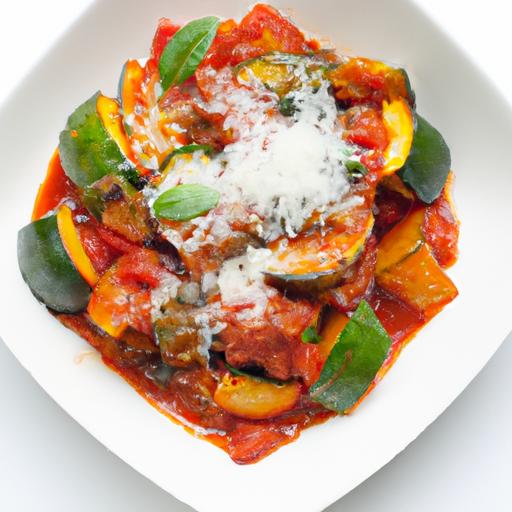

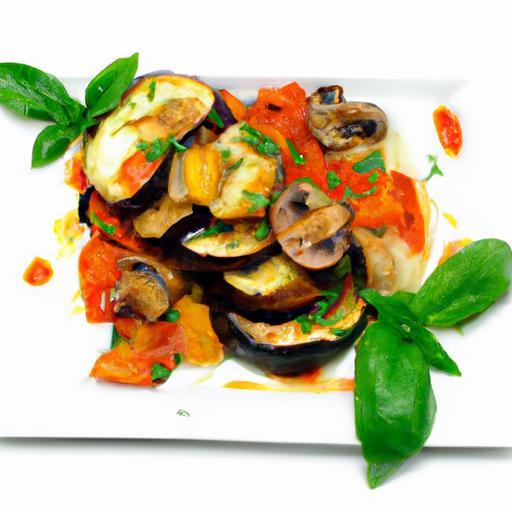
In the heart of French cuisine lies a dish as vibrant and layered as the culture itself-ratatouille. More than just a humble medley of summer vegetables, ratatouille is a culinary tapestry woven with history, tradition, and bursts of flavor that tell the story of Provence’s sun-kissed fields. This iconic dish invites food lovers on a flavorful journey through rustic kitchens and bustling markets, where the simple becomes exceptional. Join us as we explore ratatouille’s origins, its timeless appeal, and how this classic French recipe continues to captivate palates worldwide with its rich, aromatic symphony.
Ratatouille: A Flavorful Journey Through French Classic Cuisine
Ratatouille, a beloved Provençal stew, invites you on a flavorful journey through French classic cuisine that celebrates the bounty of summer vegetables. Rooted in rustic tradition, this vibrant dish has evolved from humble peasant origins into a symbol of French culinary artistry. With its colorful medley of fresh zucchini, eggplant, bell peppers, and ripe tomatoes, ratatouille embodies harmony and simplicity, making it an irresistible staple in kitchens worldwide.
Prep and cook Time
- Preparation: 25 minutes
- Cooking: 50 minutes
- Total Time: 1 hour 15 minutes
Yield
Serves 4 as a main dish or 6 as a side
Difficulty Level
Medium – Requires layering and slow simmering for best texture and flavor integration
Key Ingredients That Define Ratatouille’s Authentic Flavors
- 2 medium eggplants, sliced into 1/4-inch rounds
- 3 zucchinis, sliced into 1/4-inch rounds
- 2 red bell peppers, seeded and thinly sliced
- 4 large ripe tomatoes, peeled and chopped
- 1 large yellow onion, finely chopped
- 4 cloves garlic, minced
- 1/4 cup extra virgin olive oil
- Fresh herbs: 1 tsp thyme leaves, 2 sprigs rosemary, 6 basil leaves
- Salt and freshly ground black pepper, to taste
- Optional: pinch of red pepper flakes for subtle heat
Mastering the Art of Perfectly Layered Ratatouille
- Salt and drain the eggplant: Place sliced eggplants in a colander, sprinkle generously with salt, and let sit for 20 minutes. this draws out bitterness and excess moisture.Rinse and pat dry thoroughly with paper towels.
- Sauté vegetables separately: Heat 2 tablespoons of olive oil in a large skillet over medium heat. Cook eggplant slices until golden brown, about 5 minutes per side.Remove and set aside. Repeat with zucchini and bell peppers in batches, adding a bit more oil as needed. This separate cooking preserves texture and flavor of each vegetable.
- prepare the tomato base: In the same skillet,add the remaining olive oil and sauté the onions and garlic until translucent and fragrant,about 5 minutes. Add chopped tomatoes and herbs (thyme, rosemary sprigs).Simmer uncovered for 15-20 minutes until thickened into a rich sauce. Season with salt, pepper, and optional red pepper flakes.
- Layer the vegetables elegantly: In a large, shallow baking dish, spread the tomato sauce evenly on the bottom. arrange the sautéed eggplant, zucchini, and red peppers in overlapping concentric circles or a spiral pattern, alternating colors for visual impact. This layering balances moisture and presentation.
- Slow-cook the assembled ratatouille: Cover with aluminum foil and bake in a preheated oven at 350°F (175°C) for 40 minutes. This gentle heat melds flavors without turning the vegetables mushy. Remove foil for the last 10 minutes to lightly caramelize the top.
- Finishing touch: Remove rosemary sprigs, garnish with freshly torn basil leaves before serving. The vibrant green provides a fresh contrast in aroma and color.
Creative Twists and Serving Suggestions for Modern Palates
While honoring tradition, ratatouille’s versatility invites delightful innovations. For a modern twist, consider layering the vegetables in a vertical terrine mold for an elegant presentation. Alternatively, enhance depth by adding a splash of balsamic vinegar to the tomato sauce or roasting garlic whole into the mix for sweetness.
Serve warm as a standalone vegetarian entrée with crusty French bread or alongside grilled meats and fish for a well-rounded meal. Ratatouille pairs beautifully with a chilled glass of rosé or a light, earthy Pinot Noir.
For brunch, transform ratatouille into a filling by mixing it with scrambled eggs or spooning over toasted baguette slices as a bruschetta-style appetizer. Garnish with crumbled goat cheese or shaved Parmesan for a luxurious finish.
Chef’s Notes: Tips for Success
- Vegetable freshness is key: Choose firm, shining, and unblemished produce for best flavor and texture.
- Don’t rush the sautéing: Cooking vegetables individually ensures they remain distinct rather than a soggy stew.
- Make ahead: Ratatouille tastes even better the next day,making it a perfect make-ahead dish for effortless entertaining.
- Herb substitution: If fresh thyme or rosemary isn’t available, use 1/2 teaspoon of dried herbs, lowering quantity to avoid overpowering.
- for a gluten-free option: Serve ratatouille over polenta or quinoa instead of bread.
Nutritional Information (per serving)
| Calories | Protein | Carbohydrates | Fat |
|---|---|---|---|
| 180 kcal | 4 g | 20 g | 10 g |

Discover more French classics in our complete guide to conventional French cooking and deepen your gourmet skills. For historical insights on Provençal cuisine, visit Encyclopedia Britannica’s Ratatouille page, a trusted culinary authority.
Q&A
Q&A: Ratatouille – A Flavorful Journey Through French Classic Cuisine
Q1: What exactly is ratatouille, and why is it considered a French classic?
A1: Ratatouille is a vibrant, vegetable-based stew originating from the Provence region of France. It’s a colorful medley of eggplant, zucchini, bell peppers, tomatoes, onions, and aromatic herbs gently simmered to perfection. Considered a French classic because it captures the essence of Mediterranean flavors and rustic simplicity, ratatouille has been a beloved home-cooked dish for centuries, embodying the spirit of seasonal, farm-to-table cuisine.
Q2: How did ratatouille earn its place in French culinary tradition?
A2: The dish gained prominence in the early 18th century as a hearty peasant meal designed to utilize abundant summer vegetables. Named from the French verb touiller, meaning “to stir up,” ratatouille reflects the ingenious resourcefulness of Provençal cooks who transformed humble ingredients into a comforting feast. Over time, it became symbolic of southern France’s sun-drenched terroir and laid-back lifestyle.
Q3: What makes the flavors of ratatouille so distinctive and harmonious?
A3: The magic lies in the careful balance and layering of textures and aromas. Each vegetable contributes its unique essence-sweetness from ripe tomatoes, earthiness from eggplant, and a subtle crunch from bell peppers. Slow cooking allows the ingredients to meld, while fresh herbs like thyme, basil, and rosemary add an aromatic complexity that dances on the palate. The gentle melding of flavors without overpowering spice is what makes ratatouille both comforting and refined.
Q4: Are there different ways to prepare ratatouille, or is there a “correct” method?
A4: Like many traditional dishes, ratatouille invites interpretation. The classic method involves sautéing each vegetable separately before combining, preserving individual flavors. Alternatively, some cooks prefer layering sliced vegetables in a stunning, spiral pattern and baking them slowly, a technique popularized by the movie Ratatouille. Whether stewed or baked, the dish’s soul stays in its fresh ingredients and rustic charm.
Q5: How can ratatouille be enjoyed beyond a simple side dish?
A5: Ratatouille is wonderfully versatile! Serve it as a vibrant side alongside grilled meats or fish, or transform it into a hearty main by pairing with crusty bread, fluffy rice, or creamy polenta. It also makes a flavorful filling for omelets, tarts, or even a savory galette. Leftovers? ratatouille shines even more the next day, as the flavors deepen and intensify-a true testament to its timeless appeal.
Q6: What does ratatouille teach us about French culinary ideology?
A6: Ratatouille embodies the French reverence for seasonal ingredients, simplicity, and balance. It’s less about complex techniques and more about honoring natural flavors,patience,and intuition in cooking. This humble dish invites us to celebrate the beauty in everyday food and reminds us that elegance frequently enough starts with the freshest, most honest ingredients.
Q7: Can ratatouille be adapted for special diets or modern tastes?
A7: Absolutely! Naturally vegan and gluten-free, ratatouille fits effortlessly into many dietary preferences. To add a modern twist, consider roasting the vegetables before stewing for a smoky depth or incorporating spices like smoked paprika for warmth. The dish’s forgiving nature invites creativity while respecting tradition-a flavorful journey that anyone can embark upon.
Dive into ratatouille and savor not just a meal but a story-a timeless mosaic of colors, tastes, and history that continues to charm palates worldwide.
concluding Remarks
As we close the lid on this culinary voyage through Ratatouille, we are reminded that this humble dish is far more than just a medley of vegetables-it is a vibrant tapestry woven from the rich threads of French tradition, regional pride, and timeless simplicity. each bite invites us to savor not only the harmonious flavors of sun-ripened produce but also the stories and heritage simmering beneath its surface. In celebrating Ratatouille, we celebrate the essence of classic French cuisine: a flavorful journey that honors both the land and the artistry of those who transform it into something truly unforgettable. Bon appétit!