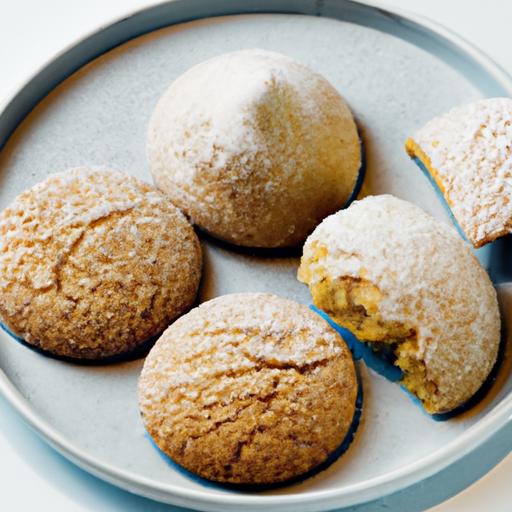

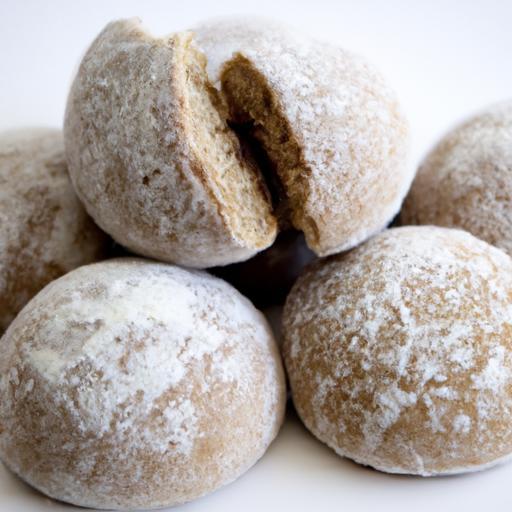
There’s a quiet magic in teh first bite of a Russian tea cake-a tender, buttery morsel dusted in powdered sugar, its delicate crumb melting effortlessly on the tongue. More than just a cookie, Russian tea cakes embody a rich tradition passed down through generations, weaving together stories of celebration, comfort, and cultural connection. In this article, we unwrap the history and charm behind these sweet confections, exploring how a simple treat became a beloved symbol of hospitality and warmth around the globe. Join us as we delve into the flavorful world of russian tea cakes, discovering the secrets that make each bite a moment of delightful nostalgia.
Delighting in Russian Tea Cakes brings a charming glimpse into a centuries-old tradition cherished across Russian households and beyond. These tender, buttery pastries-frequently enough dusted in pristine powdered sugar-were originally handcrafted to celebrate festive gatherings, symbolizing warmth, family, and hospitality. As a culinary content creator and food stylist, I’ve always been captivated by their delicate texture and nostalgic appeal. This recipe not only honors the rich heritage of Russian Tea Cakes but also equips you with precise ingredients and techniques to achieve the perfect melt-in-your-mouth bite every time.
Prep and Cook Time
- Readiness: 15 minutes
- Chilling: 1 hour
- Baking: 12-15 minutes
- total Time: Approximately 1 hour 30 minutes
Yield
Makes approximately 24 Russian Tea Cakes
Difficulty Level
Easy – perfect for bakers of all experience levels, from beginners to seasoned pros
Key Ingredients
- 1 cup (2 sticks) unsalted butter, softened
- 1/2 cup powdered sugar, plus extra for rolling
- 1 teaspoon pure vanilla extract
- 2 1/4 cups all-purpose flour, sifted
- 1 cup finely chopped walnuts or pecans, toasted for extra flavor
- 1/4 teaspoon salt
Instructions
- toast the nuts: Preheat your oven to 350°F (175°C). Spread the walnuts or pecans on a baking sheet and toast for 5-7 minutes until fragrant. Let cool, then chop finely.
- Cream butter and sugar: In a large mixing bowl, beat the softened unsalted butter with 1/2 cup powdered sugar using an electric mixer on medium speed until light and fluffy, about 3-4 minutes.This aeration is key for tender cakes.
- Add vanilla: Mix in the vanilla extract thoroughly.
- Sift and combine dry ingredients: In a separate bowl, sift together all-purpose flour and salt, then gradually add to the butter mixture. Beat on low speed until just incorporated – avoid over-mixing to maintain a tender crumb.
- Fold in nuts: Gently fold the toasted, chopped nuts into the dough using a spatula.
- Chill the dough: Cover the bowl with plastic wrap and refrigerate for at least 1 hour. This resting step prevents spreading during baking and heightens flavor.
- Shape the cookies: Preheat oven to 350°F (175°C). Roll the dough into 1-inch balls, placing them about 1.5 inches apart on an ungreased baking sheet lined with parchment paper.
- Bake: Bake for 12-15 minutes or until bottoms are lightly golden but cookies remain pale on top-this ensures a melt-in-the-mouth texture.
- Coat in powdered sugar: Allow cookies to cool on the baking sheet for 5 minutes. while still warm, gently roll them in powdered sugar. For an extra layer, roll again once fully cooled.
- Store properly: Store in an airtight container at room temperature. They stay fresh up to a week, perfect for gifting or savoring slowly.
Tips for Success
- Use cold butter: If butter is too soft or melting, the dough becomes greasy and cookies lose shape.
- Double-sift sugar & flour: Both powdered sugar and flour should be sifted carefully to avoid lumps and ensure a smooth dough.
- Nut variations: Feel free to experiment with finely chopped almonds or hazelnuts for subtle flavor shifts.
- Substitution for gluten-free: Use a 1:1 gluten-free flour blend, but add 1/4 teaspoon xanthan gum for structure.
- Make-ahead tip: Prepare dough up to 3 days in advance, tightly wrapped in plastic wrap.Or freeze shaped dough balls and bake directly from frozen, adding an extra minute.
Creative Variations to Elevate the Classic Recipe
- Chocolate-Dusted Tea Cakes: Replace powdered sugar coating with a fine sift of unsweetened cocoa powder mixed with powdered sugar for a gentle chocolate hint.
- Citrus Zest Infusion: Incorporate 1 teaspoon of lemon or orange zest into the dough for a bright, fresh dimension.
- Spiced Delight: Add 1/2 teaspoon cinnamon and a pinch of nutmeg for a warm, festive twist perfect for winter holidays.
- Nut-Free Version: Swap nuts with toasted,finely shredded coconut for a chewy texture.
Serving Suggestions
Russian Tea Cakes shine when paired with traditional black teas like Russian Caravan or Earl Gray. For a contemporary twist,serve alongside a floral jasmine or delicate white tea to contrast their buttery sweetness. Elegant on a festive platter dusted with extra powdered sugar, garnish with sprigs of fresh rosemary or edible flowers to enhance the visual appeal. Ideal for holiday celebrations, tea parties, or simple afternoon indulgence, these pastries invite sharing warmth and storytelling.

| nutrient | Per Cookie (Approx.) |
|---|---|
| Calories | 110 kcal |
| Protein | 2 g |
| Carbohydrates | 9 g |
| Fat | 7 g |
for more traditional cookie recipes that bring warmth to your table, see our Classic Old World Butter Cookies. To deepen your knowledge about tea pairings, explore the expertly curated tea guides by Tea Association of the USA.
Q&A
Q&A: Delighting in Russian Tea Cakes – A Sweet Tradition Unwrapped
Q1: What exactly are Russian tea cakes?
A: Russian tea cakes are buttery, crumbly cookies dusted generously with powdered sugar, often releasing a delicate sweetness that melts in your mouth. Also known as Mexican wedding cookies or snowball cookies, these little spheres of joy boast a rich nutty center wrapped in tender dough-a timeless treat that transcends cultures.
Q2: Why are they called “russian” tea cakes?
A: The name hints at their storied past, though their exact origin is a bit of a sweet mystery. While they are popularly associated with Russian tea traditions, variations of these nutty cookies exist globally, from eastern Europe to Mexico. The moniker “Russian tea cakes” likely stuck because of their popularity alongside tea rituals in Russian society, where tea time is a cherished communal experience.
Q3: What makes Russian tea cakes unique compared to other cookies?
A: It’s all about texture and simplicity. Made with just a handful of classic ingredients-flour, butter, nuts, sugar, and vanilla-these cookies rely on the buttery crumb and powdery sugar coating to delight the palate. their signature melt-in-your-mouth consistency, achieved through careful baking and rolling in powdered sugar while still warm, sets them apart.
Q4: What nuts are traditionally used in Russian tea cakes?
A: Traditionally,walnuts are the go-to nut,lending a rich,earthy flavor and slight crunch. However, many recipes adapt to include pecans, almonds, or hazelnuts, each adding a unique twist to the cookie’s flavor profile. The choice of nut frequently enough reflects regional preferences or family traditions.
Q5: How are Russian tea cakes typically enjoyed?
A: These cookies shine during tea time, holiday celebrations, and festive gatherings. Their subtle sweetness pairs beautifully with a cup of strong black tea or coffee, offering a comforting balance of flavors. Because of their bite-sized portions, they’re perfect for sharing-one cookie, many smiles.
Q6: Can anyone make Russian tea cakes at home?
A: Absolutely! Russian tea cakes are one of the most approachable homemade cookies. Their simple ingredients and straightforward method make them a delightful baking project for novices and seasoned bakers alike.Plus, the process of rolling them in powdered sugar-sometimes multiple times-adds a satisfying final touch.
Q7: What cultural significance do Russian tea cakes hold?
A: Beyond their deliciousness, Russian tea cakes embody traditions of hospitality, family, and celebration. They are often served during weddings, holidays, and tea gatherings, symbolizing warmth and togetherness. Unwrapping a handful of these snowy cookies can feel like unwrapping a little piece of history and shared memory.
Q8: Are there any creative twists to the classic recipe?
A: Certainly! Some bakers infuse the dough with hints of cinnamon, vanilla bean, or citrus zest to add extra layers of flavor. Others experiment by dipping the finished cookies in melted chocolate or incorporating different nuts and even dried fruits inside. The beauty of russian tea cakes is that while the classic recipe is beloved, it welcomes personal creativity with open arms.
Q9: How should Russian tea cakes be stored?
A: To keep their delicate texture intact, store them in an airtight container at room temperature for up to two weeks. They also freeze well, so you can prepare a batch ahead of time and thaw them gently when the mood for tea and treats strikes.Q10: Why do russian tea cakes continue to captivate taste buds worldwide?
A: There’s something universally comforting about their tender crumb and snowy sugar dusting-a simple pleasure that bridges cultures and generations. Russian tea cakes offer more than sweetness; they deliver nostalgia, tradition, and an invitation to slow down and savor life’s little moments. They’re a sweet tradition unwrapped,bite by delicious bite.
To Conclude
As the last crumb of a Russian tea cake melts on your tongue, you’re reminded that this humble treat is so much more than just a cookie. It’s a bite-sized piece of history, a celebration of tradition wrapped in powdered sugar, and a bridge connecting generations around the warmth of a tea cup. Whether savored during festive gatherings or enjoyed quietly with afternoon tea, these delicate delights invite us to slow down and relish the simple pleasures of life. So next time you unwrap a Russian tea cake,take a moment to appreciate the rich tapestry of culture and craftsmanship it embodies-because in every sweet,snowy bite lies a story worth sharing.