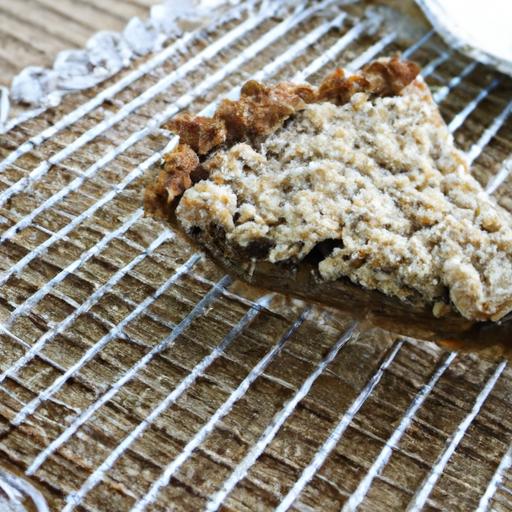

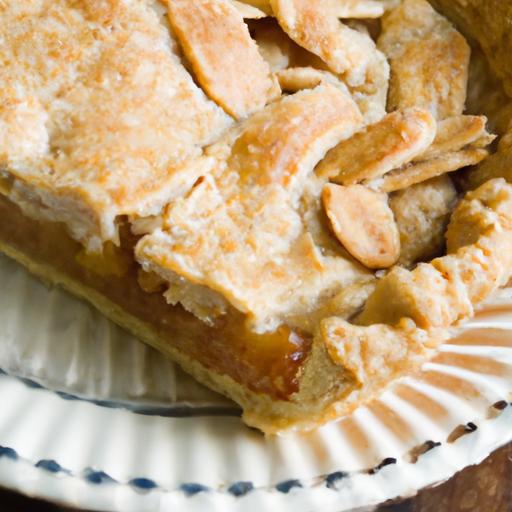
There’s something delightfully transformative about reimagining classic recipes with a modern twist-and when it comes to pie crusts, almond flour offers a nutty, wholesome upgrade that’s as flavorful as it is nutritious. Almond flour pie crust brings a tender crumb and subtly sweet depth to your favorite pies, marrying tradition with innovation in every buttery bite. Whether you’re baking for dietary needs, or simply craving a crust that’s rich in both texture and taste, this nutty alternative invites you to rediscover the art of pie-making with a fresh, fragrant flair. Join us as we explore how almond flour can elevate your baking, turning the humble crust into a star ingredient that’s both indulgent and nourishing.
Almond flour pie crust offers an irresistible nutty flavor and a tender texture that elevates any classic pie. Unlike customary wheat-based crusts, almond flour brings a naturally gluten-free element packed with healthy fats and protein, making it a fantastic choice for those seeking a wholesome yet indulgent alternative. Its delicate crumbly consistency demands a gentle hand in readiness but rewards bakers with a golden, crisp base that harmonizes with both sweet and savory fillings.
Prep and Cook Time
- Preparation: 15 minutes
- Chilling Time: 30 minutes
- Baking Time: 15-20 minutes
Yield
One 9-inch pie crust (serves 8)
Difficulty Level
Medium – perfect for adventurous bakers ready to experiment beyond traditional crusts
Ingredients
- 1 ¾ cups almond flour (finely ground, blanched)
- 2 tablespoons coconut flour (adds structure)
- 1/4 teaspoon sea salt
- 2 tablespoons granulated sugar (optional, adjust based on filling)
- 1 large egg (room temperature)
- 4 tablespoons unsalted butter (cold, cubed)
- 1 teaspoon pure vanilla extract (for sweet pies)
- Optional: 1-2 tablespoons cold water (to bring dough together if needed)
Instructions
- Combine Dry Ingredients: In a mixing bowl, whisk together almond flour, coconut flour, salt, and sugar until evenly distributed. this helps prevent clumps and ensures a balanced flavor.
- Cut in Butter: Add the cold, cubed butter. Using a pastry cutter or your fingers, gently mix until the mixture resembles coarse crumbs. The butter chunks will create a flaky texture once baked.
- Incorporate Egg and Vanilla: Whisk the egg lightly and add it along with the vanilla extract to the dry mixture. Stir gently to begin binding the dough.
- Form the Dough: Use your hands to gently knead until the dough comes together. If the dough crumbles too much, add cold water, one teaspoon at a time, until it holds. Avoid overworking to keep the crust tender.
- Chill: Shape the dough into a disk, wrap it in plastic wrap, and refrigerate for at least 30 minutes.This step firms the butter and flour for better rolling and structure.
- Roll Out: Place the chilled dough between two sheets of parchment paper. Roll out gently to a 9-inch circle. Almond flour crusts are more delicate-handle with care to avoid cracking.
- Transfer and Dock: Carefully peel off the top parchment and invert the dough into your pie pan. Press to fit and trim edges. Use a fork to prick (dock) the bottom-this prevents bubbling during blind baking.
- Blind Bake: Preheat your oven to 350°F (175°C). Line the crust with parchment paper and fill with pie weights or dried beans. Bake for 12-15 minutes until edges turn golden.
- Remove Weights and Bake Again: Carefully remove parchment and weights, then bake another 5 minutes until the base is dry and slightly golden.Cool before filling as desired.
Tips and Tricks for Baking Success with Almond Flour Crusts
- Choose blanched almond flour for a lighter crust color and finer texture.
- Keep ingredients cold to help create flakiness similar to classic pie crusts.
- Use coconut flour sparingly to absorb moisture and improve dough structure without adding heaviness.
- Handle the dough delicately, almond flour lacks gluten’s elasticity, so prevent overmixing and excess kneading.
- Blind bake thoroughly to avoid soggy bottoms, especially with moist fillings.
- Experiment with sweet vs. savory seasonings-a pinch of cinnamon or herbs can dramatically enhance the nutty base.
- Store dough wrapped tightly in the fridge for up to 3 days or freeze for up to 1 month for make-ahead convenience.
Flavor Pairings That Elevate Your Nutty Pie Crust
The subtle warmth and richness of almond flour pie crust couples beautifully with a variety of flavors ranging from vibrant fruits to decadent creams.Think juicy tart cherries,silky dark chocolate ganache,or creamy coconut custard. Savory pies shine when paired with caramelized onions,earthy mushrooms,or sharp cheeses like Gruyère and goat cheese.
To accentuate this nutty canvas, try incorporating citrus zest-lemon or orange adds bright contrast-or a splash of vanilla or almond extract in the crust dough to deepen the aromatic profile.
The Benefits of Choosing Almond Flour for Your Pie Crust
Almond flour isn’t just a flavorful swap-it transforms the nutritional makeup of your pie crust. Rich in vitamin E, healthy monounsaturated fats, and providing a protein boost, almond flour supports heart health and satiety better than conventional flours. It’s naturally gluten-free, ideal for those with sensitivities, and lends a tender, moist crumb that resists dryness.
Additionally, almond flour’s low carbohydrate content is suitable for ketogenic and low-carb diets without sacrificing the buttery goodness or flaky texture that pie lovers crave. These benefits, combined with its unique taste, make it an inspired ingredient for innovative bakers.
Serving Suggestions
Once baked and filled,almond flour pie crust deserves a presentation that highlights its golden hue and inviting texture. Garnish sweet pies with fresh berries, a dusting of powdered sugar, or a drizzle of honey. For savory pies, a sprinkle of toasted nuts or fresh herbs offers a rustic elegance.
Serve slightly warm with a scoop of vanilla bean ice cream or a dollop of whipped cream to complement the nutty richness. For entertaining, cut into perfectly even slices and pair with a glass of chilled white wine or a spiced chai latte to amplify the cozy ambiance.
| Nutrient | Per Serving (1/8 pie) |
|---|---|
| Calories | 210 kcal |
| Protein | 5 g |
| Carbohydrates | 8 g (Net 5 g) |
| Fat | 18 g |

Looking to expand your gluten-free baking repertoire? Check out our guide on Gluten-Free Baking Tips for perfect Desserts. For further insights on the health benefits of almonds and their role in nutrition, visit Harvard T.H. Chan School of Public Health.
Q&A
Q&A: Almond Flour Pie Crust – A Nutty Twist on Classic Baking
Q1: What makes almond flour pie crust different from a traditional pie crust?
A1: Unlike classic pie crusts made with wheat flour and butter, almond flour pie crust swaps in finely ground almonds for a naturally gluten-free, nutty base. This creates a tender, crumbly texture that’s rich in flavor and adds a subtly sweet, toasty note to your pie. It’s a delightful variation that brings depth and a bit of wholesome charm to every bite.
Q2: Is almond flour pie crust suitable for people with gluten sensitivities?
A2: Absolutely! Since almond flour is naturally gluten-free, an almond flour pie crust is a fantastic choice for those avoiding gluten. Just be sure to check any additional ingredients, like baking powders or fillings, to keep your entire pie gluten-conscious.
Q3: How do you make an almond flour pie crust?
A3: The basics involve mixing almond flour with a pinch of salt, a sweetener if you like, and a binder-usually butter or coconut oil, sometimes an egg or a little maple syrup for extra cohesion.The mixture is pressed into your pie pan, then baked until golden. The key is to handle the dough gently to preserve its tender, crumbly texture.
Q4: Can almond flour pie crust hold up to juicy or wet fillings?
A4: Almond flour crusts tend to be more delicate and crumbly than traditional crusts, so thay can absorb moisture faster. To avoid sogginess, it’s a good idea to blind bake the crust first or brush it with a thin layer of melted chocolate or beaten egg white as a sealant before adding the filling. This helps keep the base crisp and sturdy.
Q5: What kinds of pies pair well with this nutty crust?
A5: The almond flour crust’s natural sweetness and nuttiness complement fruit pies-think berry, apple, or peach-as well as custard or chocolate pies.It’s especially wonderful in autumnal recipes featuring pumpkin, sweet potato, or pear, where the flavors resonate beautifully with the earthy almond notes.
Q6: Are there any tips for baking with almond flour that differ from wheat flour?
A6: Since almond flour lacks gluten, it can’t develop the stretchy network that provides structure in traditional doughs. Handle the dough gently and avoid overmixing. Also, almond flour bakes faster and browns more readily, so keep an eye on your crust to prevent burning. Using a pie shield or foil around the edges can help achieve even baking.
Q7: Can almond flour pie crust be used in savory pies?
A7: Definitely! Almond flour’s mild, nutty flavor lends itself well to savory dishes like quiches or vegetable tarts.You can omit any sweeteners and add herbs or spices to the crust dough to customize it. It adds a lovely richness that elevates even the simplest savory fillings.
Q8: Where can I find almond flour, and are there different types?
A8: Almond flour is widely available at grocery stores, health food shops, and online.There are typically two varieties: blanched almond flour, made from peeled almonds and finer in texture, and almond meal, which includes skins and has a coarser, more rustic feel. For pie crusts, blanched almond flour is generally preferred for its delicate crumb.
Q9: is almond flour more nutritious than regular flour?
A9: Yes! Almond flour is packed with healthy fats,protein,fiber,vitamins,and minerals like vitamin E and magnesium. It’s lower in carbs than wheat flour, making it a popular choice for paleo and low-carb diets.Using almond flour pie crust adds a nutritious boost to your baking without sacrificing flavor.
Q10: Can I store almond flour pie crusts?
A10: you sure can! Unbaked almond flour crusts can be refrigerated for a day or two, wrapped tightly. Baked crusts keep well in an airtight container at room temperature for a few days or in the fridge for up to a week. For longer storage, wrap tightly and freeze for up to 3 months-just thaw and refresh lightly in the oven before filling.
Embrace almond flour pie crust as your next baking adventure-where nutty flavor meets flaky finesse, and traditional meets tantalizingly new. happy baking!
Future Outlook
Whipping up a pie crust with almond flour isn’t just a simple swap-it’s a flavorful invitation to reimagine classic baking through a nutty lens. This gluten-free, nutrient-packed alternative not only offers a tender, buttery texture but also adds a subtle depth that elevates every slice. Whether you’re crafting a traditional fruit pie or experimenting with savory fillings, almond flour pie crust brings a unique richness that delights both the palate and the inventiveness. So next time you reach for pie crust ingredients, consider giving almonds a starring role-they just might become your new baking muse.