
When it comes to grilling, few cuts of beef command as much respect and anticipation as the tenderloin. Renowned for its buttery texture and melt-in-your-mouth tenderness, this prized cut can, however, be a daunting challenge to cook perfectly. Achieving that ideal balance of a flavorful crust and a juicy, tender interior requires more than just tossing it on the grill.In this article, we’ll unlock the secrets to mastering grilled beef tenderloin-transforming this elegant cut into a show-stopping centerpiece that’s bursting with succulence and rich, smoky goodness. Whether you’re a seasoned grill master or a weekend warrior, prepare to elevate your game with tips that guarantee juicy perfection every time.
Mastering Grilled Beef Tenderloin: Tips for Juicy Perfection
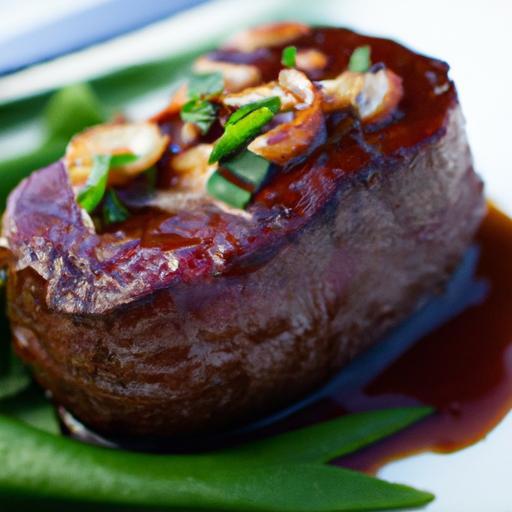
Grilled beef tenderloin is a culinary triumph, combining luxurious tenderness with bold, smoky flavors. This prized cut, known for its fine grain and buttery texture, transforms with the right preparation-from careful selection to precise cooking techniques. Whether you’re hosting a celebratory dinner or indulging in a well-earned treat, mastering grilled beef tenderloin ensures every bite is bursting with juicy, mouthwatering goodness.
Prep and Cook Time
- Preparation: 20 minutes
- Marinating Time: 2 to 4 hours (or overnight for optimal flavor)
- Grilling Time: 15 to 20 minutes
- Resting Time: 10 minutes
Yield
Serves 4 to 6 people depending on portion size.
Difficulty Level
Medium – Perfect for confident home cooks looking to elevate their grilling skills.
Ingredients
- 2 pounds beef tenderloin, trimmed and evenly tied
- 1/4 cup olive oil
- 3 cloves garlic, minced
- 2 tablespoons soy sauce
- 1 tablespoon Worcestershire sauce
- 1 tablespoon Dijon mustard
- 1 teaspoon fresh thyme, chopped
- 1 teaspoon fresh rosemary, chopped
- Salt and freshly ground black pepper, to taste
- Juice of 1 lemon
Instructions
- Selecting the Ideal Cut: Choose a center-cut beef tenderloin, about 2 to 3 inches thick with minimal silver skin. This ensures even cooking and maximum tenderness.
- Preparing the Marinade: In a bowl, whisk together olive oil, garlic, soy sauce, Worcestershire sauce, Dijon mustard, thyme, rosemary, lemon juice, salt, and pepper. This combination balances acidity with herbaceous richness to enhance both flavor and moisture retention.
- Marinating: Place the beef tenderloin in a resealable plastic bag or shallow dish. Pour marinade over the meat and refrigerate for 2-4 hours,turning occasionally. Marinating overnight intensifies flavor and tenderizes the fibers without overpowering the natural beef character.
- Preheating the Grill: Prepare a two-zone fire on your grill-medium-high direct heat on one side and indirect on the other. Aim for a surface temperature around 450°F (232°C) for searing.
- perfecting the Sear: Remove the tenderloin from the marinade and pat dry to promote caramelization. Place the meat directly on the hot grill grates over direct heat. Sear for 2-3 minutes per side, rotating to create a beautiful crosshatch pattern and a deep, caramelized crust.
- Finishing the Cook: Move the tenderloin to the cooler side of the grill and close the lid. Grill indirectly for an additional 10-15 minutes until the internal temperature reaches 130-135°F (54-57°C) for medium-rare.
- Resting the Meat: Remove the tenderloin from the grill and tent loosely with foil. Let it rest for at least 10 minutes. This crucial step redistributes juices, locking in moisture and ensuring every slice stays tender and juicy.
- Carving: Use a sharp carving knife to cut the tenderloin into thick medallions, slicing against the grain for maximum tenderness.
Chef’s Notes
- For extra flavor complexity, add a splash of balsamic vinegar or red wine to the marinade.
- Try substituting fresh herbs with dried if needed-use about one-third the amount.
- if you don’t have a grill, sear the tenderloin in a heavy skillet and finish in a preheated oven at 400°F (204°C) for similar results.
- Resting is non-negotiable-skipping it leads to dry, flavorless meat.
- Use a digital meat thermometer for precision; avoid cutting early to check doneness.
Serving Suggestions
Plate medallions of grilled beef tenderloin atop creamy garlic mashed potatoes or a bed of grilled seasonal vegetables. Garnish with fresh thyme sprigs and a drizzle of chimichurri or red wine reduction for vibrant color and added zest. Serve with a robust red wine like Cabernet Sauvignon to complement the beef’s rich flavor.

| Nutrient | Per Serving (4 oz) |
|---|---|
| Calories | 290 kcal |
| Protein | 32 g |
| Carbohydrates | 2 g |
| Fat | 18 g |
for further inspiration on grilling techniques, check our Perfect Grilled Steak Guide. To understand the science behind meat tenderness, visit Serious Eats.
Q&A
Q&A: Mastering Grilled Beef Tenderloin – Tips for Juicy Perfection
Q1: What makes beef tenderloin a special cut for grilling?
A: Beef tenderloin is the crown jewel of steaks-a lean, buttery-soft cut prized for its tenderness. Unlike fattier cuts, it has a delicate texture that melts in your mouth, making it ideal for a swift, high-heat grill that locks in juices without overcooking.
Q2: How do I prepare beef tenderloin before it hits the grill?
A: Start by bringing the meat to room temperature-about 30-45 minutes out of the fridge-to ensure even cooking. Pat it dry to get that perfect sear, then season generously with salt and freshly cracked pepper. For extra flavor, a simple marinade or herb crust with garlic, rosemary, and thyme works wonders, but don’t overshadow the tenderloin’s natural taste.
Q3: What grill setup is best for beef tenderloin?
A: Use a two-zone grilling setup: one side blazing hot for searing, and the other cooler for finishing the cook. this method lets you create a caramelized crust on the outside while gently bringing the center to your desired doneness without drying it out.
Q4: How do I know when my beef tenderloin is perfectly cooked?
A: Invest in a good instant-read thermometer. aim for 125°F (52°C) for rare, 135°F (57°C) for medium-rare, and 145°F (63°C) for medium. Remember, the meat will continue to cook slightly after resting, so pull it off the grill a few degrees shy of your target.
Q5: What’s the secret to keeping the tenderloin juicy?
A: Resting is your best friend. After grilling, tent the meat loosely with foil and let it rest for 10-15 minutes. This allows the juices to redistribute throughout the meat, transforming it from cooked to supremely juicy and tender.
Q6: Can I add sauces or glazes during grilling?
A: Yes, but timing is key! Apply glazes or BBQ sauces during the last few minutes of grilling to prevent burning. For delicate tenderloin, a light brush enhances flavor without overpowering the meat’s elegant profile.
Q7: Any tips for serving and slicing beef tenderloin?
A: Slice against the grain into thick, even medallions to maximize tenderness. Serve simply with compound butter or a drizzle of balsamic reduction to complement the rich,juicy flavors.
Mastering grilled beef tenderloin is a appetizing dance of heat, timing, and technique. With thes tips, your next backyard barbecue will bring restaurant-quality steak straight to your plate-juicy, flavorful, and utterly unforgettable!
The Way Forward
Achieving that perfect grilled beef tenderloin-tender, juicy, and bursting with flavor-is both an art and a science. With the right blend of preparation, timing, and technique tucked into your culinary toolkit, you’re well on your way to impressing guests and savoring mouthwatering results every time. Remember, mastering this iconic cut isn’t just about following steps; it’s about tuning into the rhythm of your grill and trusting your instincts. So fire up those coals,embrace the sizzle,and let your newfound tips guide you toward grilled beef tenderloin perfection that’s as satisfying to make as it is indeed to eat. happy grilling!