
In the warm kitchens of the Caucasus and the rolling landscapes of the Middle East, a remarkable culinary tradition has endured for centuries: lavash bread. This thin, tender flatbread-simple in its ingredients yet profound in its cultural meaning-has woven itself into the daily lives, rituals, and celebrations of countless communities. More than just a staple, lavash is a symbol of heritage, crafted with time-honored techniques passed down through generations. Join us as we unfold the story of lavash bread, exploring its origins, unique planning methods, and the enduring role it plays in connecting past and present across borders and tables.
Lavash Bread: The Timeless Thin Flatbread Tradition Explored
Lavash bread is a culinary masterpiece with roots deeply embedded in the rich tapestry of Middle Eastern and Caucasian culture. This thin, delicate flatbread has accompanied generations around the hearth, symbolizing hospitality, family, and tradition. Growing up with the aroma of freshly baked lavash bread wafting through the kitchen, I always treasured the way it brought people together-weather wrapped around hearty dips or used as an edible plate for vibrant meals.
Origins and Cultural Significance of Lavash Bread Across Regions
The journey of lavash bread begins in the Armenian Highlands, spreading across Armenia, Azerbaijan, Turkey, Iran, and into parts of Central Asia. It’s more than just sustenance-it’s a cultural emblem. In Armenia, for example, lavash is traditionally baked in a tandoor-like clay oven called a tonir, often accompanied by communal gatherings where the bread’s creation is a family affair. UNESCO recognized Armenian lavash as part of the Intangible Cultural heritage of Humanity, highlighting its integral role in social rituals and celebrations.
Lavash holds spiritual and symbolic meaning: it reflects life’s delicate balance, endurance through thin layers, and the nurturing bond between provider and recipient. Its varying thickness, texture, and baking methods capture regional identities, making every piece a small story of heritage.
Crafting the Perfect Lavash Dough: A Step-by-Step Culinary Guide
Creating authentic lavash bread begins with a simple dough, but mastering its elasticity and thinness is truly an art. Below, discover a hands-on guide that invites you to experience the meditative rhythm of kneading, rolling, and baking this timeless bread.
Prep and Cook Time
- Prep Time: 20 minutes
- resting Time: 1 hour
- Cook Time: 5-7 minutes per batch
Yield
Approximately 8-10 thin lavash flatbreads
Difficulty Level
Medium – requires patience for rolling thinly and swift work when baking
Ingredients
- 2 cups all-purpose flour, sifted
- ½ tsp salt
- ¾ cup lukewarm water (adjust as needed)
- 1 tsp sugar (optional, for slight sweetness)
- 1 tbsp vegetable oil (plus extra for brushing)
Instructions
- In a large bowl, combine the flour, salt, and sugar. Mix well to evenly distribute the dry ingredients.
- Gradually add lukewarm water and vegetable oil while stirring with a wooden spoon until a rough dough forms.
- Turn the dough onto a lightly floured surface. Knead vigorously for 8-10 minutes until the dough becomes smooth, elastic, and slightly tacky.
- Place the dough back into the bowl, cover with a damp cloth, and let it rest for at least 1 hour. This allows the gluten to relax,making rolling easier.
- Divide the dough into 8-10 equal portions. Roll each portion into a tight ball before flattening.
- Using a rolling pin, roll each dough ball into paper-thin circles, ideally no thicker than 1-2 mm. A large, flat surface with minimal flour will help achieve the thinness without sticking.
- Heat a heavy non-stick skillet or cast-iron pan over medium-high heat. carefully transfer each rolled lavash onto the dry pan.
- Cook for 1-2 minutes on the first side until pale spots appear, then flip and cook another 1-2 minutes. Look for slight golden brown bubbles; do not overbrown or the bread will become too crisp.
- Remove and brush lightly with vegetable oil or melted butter to keep soft and flavorful. Cover with a clean kitchen towel to retain moisture while cooking the remaining pieces.
Chef’s Notes and Tips for Success
- Resting the dough is essential for thin, pliable lavash; skipping this step will make rolling arduous and dough prone to tearing.
- Use a smooth rolling pin and minimal flour.Too much flour can dry the dough and alter texture.
- Traditional lavash is best cooked over an open flame or tandoor for smoky flavor. Using a cast-iron skillet at home replicates the rustic finish.
- To keep cooked lavash soft, wrap stacks in a clean kitchen towel immediately after cooking.
- For whole grain or gluten-free variations, substitute part of the flour with whole wheat or gluten-free blends, though thin rolling might require practice.
- Prep lavash dough ahead, refrigerate overnight, and bring to room temperature before rolling to deepen flavor.
traditional Baking Techniques Unlocking Authentic Flavors
in its native regions, lavash is traditionally baked inside a tonir, a cylindrical clay oven heated with wood fire. The baker slaps the paper-thin dough against the oven’s hot walls, where it blister-cooks in seconds. This method produces a delightfully smoky aroma and delicate crispness interlaced with tender chewiness.
Replicating this technique at home is possible with a broiler or grill for charring spots, though skillet roasting remains the most convenient. The thrill lies in watching the dough transform from a pliable sheet to golden bubbles that signal readiness. Each lavash carries the warmth of centuries-old traditions, layering taste with history.
Creative Ways to incorporate Lavash into Modern Meals
While lavash traditionally serves as a bread accompaniment or wrap, its versatility shines in contemporary cuisine. Try these inspired uses to elevate your meals with lavash bread:
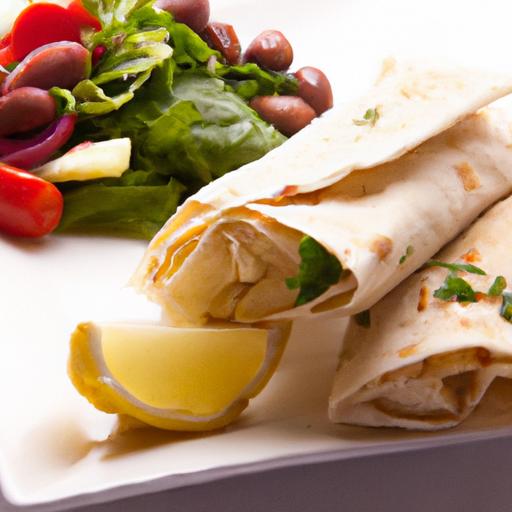
- Lavash Wraps: Fill with grilled meats, fresh herbs, and creamy spreads like hummus or labneh for quick, portable lunches.
- Lavash Chips: Cut into triangles, lightly brush with olive oil and za’atar spice, then bake until crisp for a wholesome snack or party appetizer.
- Pizza Base: Use lavash as a thin crust for flatbread pizzas topped with fresh vegetables,cheese,and meats-bake briefly until crispy.
- breakfast Roll-Ups: Spread with cream cheese and smoked salmon or nut butters and fruits for a nutritious morning boost.
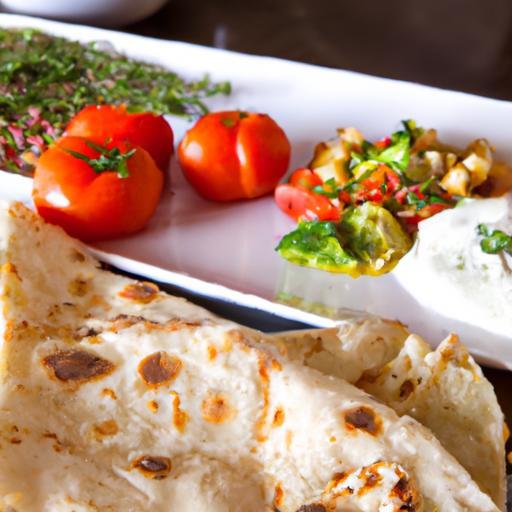
- Dips and Spreads Platter: Tear lavash into rustic pieces and serve alongside babaganoush, muhammara, or tzatziki for a Mediterranean feast.
Each approach honors lavash bread‘s adaptable nature, inviting creativity while connecting to its authentic roots.

| Nutrient | Per Serving (1 lavash) |
|---|---|
| Calories | 120 kcal |
| Protein | 3 g |
| Carbohydrates | 25 g |
| Fat | 1 g |
For a deeper dive into flatbreads around the world, check out our article on Homemade Pita Bread: Soft & Flavorful.
Explore more about the ancient context and cultural importance of lavash on the official UNESCO page here.
Q&A
Q&A: Lavash Bread – The Timeless Thin Flatbread Tradition Explored
Q1: What exactly is lavash bread?
A1: lavash is a traditional thin flatbread, originating from the Armenian Highlands but cherished across the caucasus, Middle East, and beyond. It’s known for its delicate, paper-thin texture and subtle, comforting flavor-frequently enough described as the perfect edible canvas for any meal.
Q2: How is lavash different from other flatbreads?
A2: Unlike thicker flatbreads like pita or naan, lavash is incredibly thin and flexible, sometimes paper-thin. Traditionally baked on the inside wall of a tandoor (a clay oven), lavash develops a unique bubbly surface that’s both tender and slightly crisp, making it ideal for wrapping, tearing, or dipping.
Q3: what are the traditional ingredients in lavash?
A3: Simplicity is key! Lavash typically uses just four ingredients: flour, water, salt, and sometimes a touch of yeast or sourdough starter. This minimalist approach highlights the artisan skill in rolling and baking to achieve lavash’s signature thinness and texture.
Q4: Is lavash just bread, or does it have cultural significance?
A4: Lavash is much more than bread-it’s a cultural symbol. In Armenia, as an example, it’s considered a sacred heritage, often linked to celebrations, rituals, and communal gatherings. UNESCO even inscribed Armenian lavash baking and sharing traditions on its Intangible Cultural Heritage list, underscoring its deep social and spiritual role.
Q5: How is lavash traditionally prepared?
A5: Preparing lavash is an art form. The dough is rolled out ultra-thin, almost paper-like, then slapped onto the hot walls of a tandoor oven. Within moments, it puffs and blisters before being peeled off and cooled. In some rural regions, the process is a choreographed effort involving entire families or communities.
Q6: Can you enjoy lavash in modern cuisine?
A6: Absolutely! Lavash’s versatility has made it a favorite in contemporary kitchens worldwide.It serves as a wrap for kebabs, a base for pizzas, a crunchy chip when toasted, or simply as a plate accompaniment. Its subtle flavor pairs beautifully with everything from fresh herbs and cheeses to bold spices and savory meats.
Q7: are there any fascinating myths or stories around lavash?
A7: Yes! One popular Armenian legend says that when Noah’s ark rested on Mount Ararat, the survivors baked lavash to celebrate survival and new beginnings. Such tales reflect how deeply rooted lavash is in history and identity, carrying stories from generation to generation like a shared taste of heritage.
Q8: How can I try making lavash at home?
A8: While authentic tandoor ovens are rare outside traditional regions, you can still craft lavash on a hot cast-iron skillet or griddle. Roll your dough as thin as possible and cook quickly over high heat. It’s a satisfying challenge that brings a little ancient tradition into your modern kitchen.
Q9: What makes lavash timeless?
A9: Lavash endures as it effortlessly bridges past and present,humble ingredients and skilled hands,nourishment and culture. Its thin, flexible form embraces endless possibilities-folded in rituals, rolled into meals, or shared across family tables-making lavash a timeless bread that tells the story of human connection through food.
Q10: Where can I find authentic lavash if I don’t want to bake it?
A10: Authentic lavash can often be found in Armenian, Iranian, Turkish, and Middle Eastern bakeries and markets worldwide. Look for thin, pliable breads with characteristic blisters and a lightly toasted aroma. Pair it with dips like hummus or tzatziki to experience lavash as it was meant to be enjoyed-fresh, simple, and utterly flavorful.
Wrapping Up
From its ancient origins to its place on modern tables, lavash bread remains more than just a simple flatbread-it is indeed a living thread connecting generations, cultures, and stories. Its delicate thinness belies a richness of tradition and versatility that continues to inspire chefs and home bakers alike. Whether wrapped around flavorful fillings or torn to scoop up hearty stews, lavash invites us to savor not only its taste but also the timeless heritage baked into every fold. In exploring lavash, we don’t just uncover a bread; we discover a culinary legacy that transcends time and borders, reminding us how food can preserve history while nourishing the present.