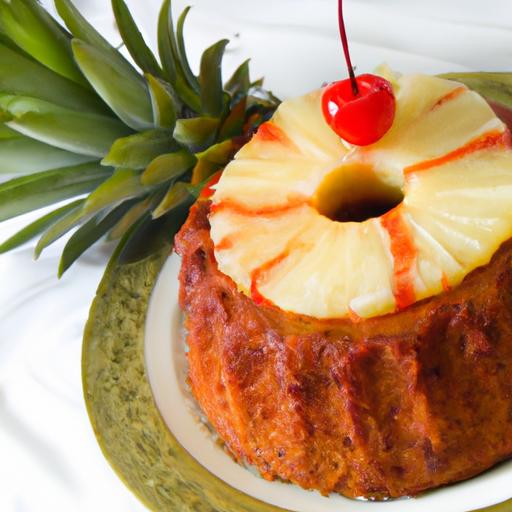

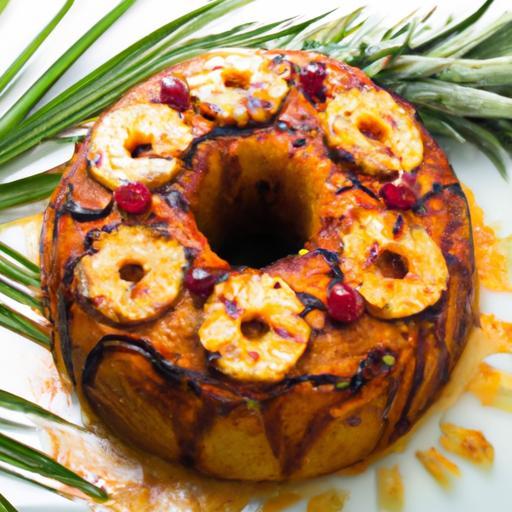
Beneath the golden caramel glaze and ruby red cherries of a pineapple upside-down cake lies a delightful symphony of chemistry and culinary artistry. This classic dessert, beloved for its luscious layers and glossy sheen, is more than just a treat for the taste buds-it’s a masterclass in the sweet science of baking. From the tender crumb that supports the tropical fruit to the precise caramelization that transforms simple sugars into liquid gold, every step in creating the perfect pineapple upside-down cake is a dance of ingredients, heat, and timing. Join us as we unravel the deliciously intricate science behind this iconic cake, revealing how nature’s sugars, baking alchemy, and texture interplay to create a slice of pure, caramelized bliss.
The Sweet science Behind Perfect Pineapple Upside-Down Cake
Unlocking the magic of pineapple upside-down cake begins with crafting every element to enhance sweetness, texture, and visual glow. This timeless dessert marries caramelized fruit with velvety cake-a delectable combination that requires an insightful balance of ingredients and techniques. From selecting the ripest pineapples bursting with natural sugars to mastering the batter consistency, each step is pivotal.
Prep and Cook Time
- Prep Time: 25 minutes
- Cook Time: 40 minutes
- Total Time: 1 hour 5 minutes
yield
Serves 8 generous portions
Difficulty Level
Medium – Perfect for home bakers looking to deepen their skills
Ingredients
- 1 fresh pineapple (about 2 pounds),peeled,cored,and sliced into ½-inch rings
- ½ cup unsalted butter,melted (for caramel and batter)
- 1 cup packed brown sugar,for topping caramelization
- 1 ½ cups all-purpose flour,sifted
- 2 tsp baking powder
- ½ tsp fine sea salt
- ¾ cup granulated sugar
- 2 large eggs,at room temperature
- ½ cup whole milk,warmed slightly
- 1 tsp pure vanilla extract
- maraschino cherries (optional,for garnish)
Instructions
- Selecting ripe pineapples: Choose pineapples with a fragrant aroma at the base and vibrant golden skin.Firm but slightly yielding to gentle pressure ensures optimal sweetness and moist texture.avoid overly green or mushy pineapples to maintain caramel glide and structural integrity of the topping.
- Prepare the caramelized topping: Preheat your oven to 350°F (175°C).In a 9-inch cast-iron or ovenproof skillet, pour melted butter and sprinkle brown sugar evenly. Heat over medium flame until sugar dissolves and starts bubbling gently, about 3 minutes. Arrange pineapple rings closely over the caramel. The trick is balancing caramelization without drying the fruit-ensure gentle heat and constant watchfulness.
- Achieving ideal batter consistency: In a large bowl, sift together flour, baking powder, and salt. In a separate bowl, cream granulated sugar with melted butter until light and fluffy. Add eggs one at a time, then mix in vanilla extract. Alternate adding the dry ingredients with warm milk, starting and ending with dry. The batter should be thick yet pourable-not runny-ensuring even baking and a tender crumb throughout.
- Assembling the cake: Carefully spoon the batter over the pineapple arrangement, covering evenly without disturbing the fruit placement.
- Bake: Place skillet in the oven and bake for 35-40 minutes,or until a toothpick inserted in the center comes out clean. The edges should be golden, and you’ll see bubbling caramel around the pineapple rings.
- Master the cooling and inversion: This stage is critical for presentation.Allow the cake to cool in the pan for 10 minutes on a wire rack; this firms the caramel slightly, preventing it from running excessively. Then,place a serving plate over the skillet and,with a confident but gentle motion,invert the cake. lift the skillet away slowly-your glossy pineapple topping should glisten invitingly with deep caramel tones and vibrant fruit.
Tips for Success
- substitutions: Crushed pineapple works in a pinch but fresh pineapple is unbeatable for texture.
- For extra moisture: Brush pineapple rings with melted butter mixed with a teaspoon of honey before placing on caramel.
- Avoid sogginess: Resist the urge to bake at to low a temperature, or the cake may become dense and soggy.
- make-ahead: Bake the cake and refrigerate overnight. Reheat briefly before inverting for the topping.
- Visual cues: Golden edges and a firm top are the bakery signs your pineapple upside-down cake is perfectly baked.
Serving Suggestions
This cake shines served slightly warm with a dollop of freshly whipped cream or a scoop of vanilla bean ice cream. Garnish with fresh mint leaves or a few maraschino cherries nestled in the pineapple rings to amplify color contrast. For an elegant twist, drizzle warm caramel sauce over slices just before serving.

Nutritional Details per Serving
| Calories | Protein | Carbohydrates | Fat |
|---|---|---|---|
| 320 | 4g | 52g | 10g |
Explore more classic fruit desserts in our Classic Fruit Desserts Collection, or dive into the science of caramelization with this Cook’s Illustrated guide to caramelization.
Q&A
Q&A: The Sweet Science Behind Perfect Pineapple Upside-Down Cake
Q1: What exactly makes a pineapple upside-down cake “upside-down”?
A1: The signature twist of this cake is its assembly and baking method.The caramelized pineapple and buttery topping are placed at the bottom of the pan first. After baking, the cake is inverted-or flipped upside down-so the fruity, glossy crown is on top. This delightful reversal creates that stunning appearance and luscious syrup glaze.
Q2: Why does the pineapple caramelize so beautifully during baking?
A2: Pineapple’s natural sugars-mainly fructose and glucose-react with butter and brown sugar in a process called the Maillard reaction and caramelization. When heated, the sugars break down and transform into complex, rich flavors and a golden-brown color that coats the fruit. Butter adds richness and helps the sugars melt evenly, creating that irresistibly sticky, shiny glaze.
Q3: How notable is the type of pineapple used? Fresh or canned?
A3: Both can work, but fresh pineapples offer a brighter, tangier flavor and firmer texture, while canned pineapple rings come pre-sweetened and are super convenient. The acidity and sugar content vary between the two, which can influence how well the fruit caramelizes and the overall moisture of the cake. Choosing ripe fruit with a good balance of sweetness and tartness is key for that perfect flavor burst.
Q4: What role does the cake batter play under the caramelized pineapple?
A4: The cake itself acts as a tender sponge that absorbs the buttery caramel juices as it bakes, resulting in a moist, flavorful crumb. typically, a vanilla or buttery yellow cake batter is used because its subtle sweetness complements without overpowering the bold pineapple topping. The flour’s starches gelatinize, while leaveners create lift, ensuring the cake is light yet sturdy enough to hold the luscious topping once flipped.
Q5: How can I ensure the pineapple pieces don’t stick to the pan after baking?
A5: Greasing the pan generously with butter and sprinkling brown sugar evenly on the bottom create a non-stick, caramelized barrier. Additionally, letting the cake cool for a brief period (about 10-15 minutes) before inverting helps the caramel set slightly, reducing sticking and allowing the pineapple pieces to release cleanly with the cake.
Q6: Is there a science-backed way to get that perfect caramel thickness without burning?
A6: Absolutely! Temperature control is crucial. Cooking the sugar and butter mixture over medium heat allows the sugar to melt and slowly caramelize rather than burn. Using brown sugar rather of white sugar adds moisture and a deeper flavor profile, which is more forgiving during caramelization. Watching for a golden amber hue signals optimal caramel development; once reached, remove from heat promptly to avoid bitterness.
Q7: Can the pineapple upside-down cake be customized without losing its essence?
A7: Yes! While pineapple is traditional, adding complementary fruits like maraschino cherries (often nestled in the pineapple rings) introduces pops of color and bursts of sweetness. Some bakers experiment with spices like cinnamon or nutmeg in the batter to add warmth. But the heart of the “upside-down” magic remains the caramelized fruit topping that crowns the cake after flipping.
Q8: Why does the cake sometimes weep or become soggy after flipping?
A8: Excess moisture from the fruit or undercooked batter can cause sogginess. To avoid this, drain canned pineapple well and pat fresh pineapple dry before layering. Ensuring the cake is fully baked by testing with a toothpick helps create structure to hold the topping. Allowing the cake to cool slightly before flipping also helps the caramel thicken and set, preventing syrup from running off.
Unveiling the layered chemistry behind pineapple upside-down cake reveals that its charm is more than just looks-it’s a symphony of sugar transformations, fruit acidity, and baking physics all coming together in one delectable masterpiece. Next time you flip your cake, remember: it’s not magic, it’s appetizing science!
Key Takeaways
As the caramelized pineapple slices glisten atop the golden, tender cake, it’s clear that the magic of a perfect pineapple upside-down cake lies not just in its delightful flavor, but in the intricate dance of chemistry and technique behind every bite. From the Maillard reaction that crafts its signature caramel notes to the meticulous balance of moisture and acidity, this classic dessert is a testament to the sweet science that transforms simple ingredients into something remarkable. So next time you slice into this tropical delight, remember-you’re savoring more than just a cake; you’re tasting the delicious harmony of art and science working flawlessly together.