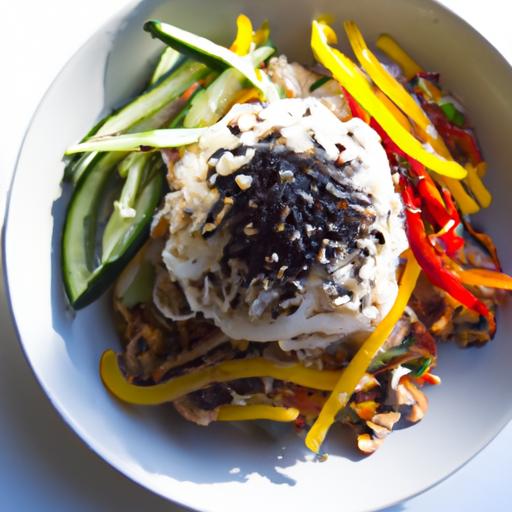

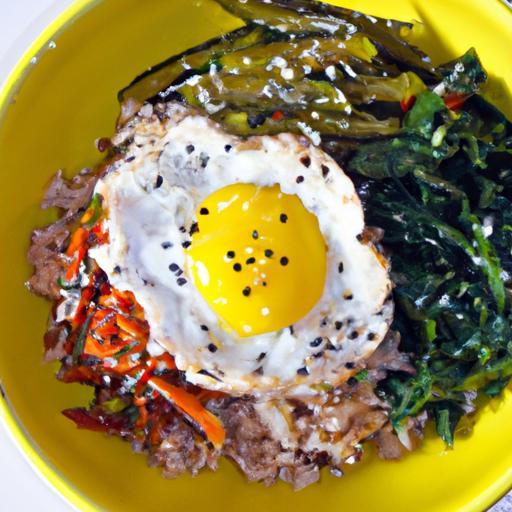
In the colorful tapestry of Korean cuisine, bibimbap stands out as a vibrant celebration of flavors, textures, and traditions. this iconic dish – a harmonious bowl of rice topped wiht an artful medley of vegetables, savory sauces, and often a fried egg – has long been cherished for its balance and beauty. But what happens when we reimagine bibimbap through a plant-based lens? Enter the vibrant vegan bibimbap: a flavorful twist on a beloved classic, where fresh, wholesome ingredients come together to create a nourishing and exciting experience that honors the spirit of the original while embracing the growing world of vegan culinary creativity. Join us as we explore the colorful layers,healthful benefits,and cultural richness behind this reinvented Korean masterpiece.
Vibrant Vegan Bibimbap is a celebration of color, texture, and bold flavors that dance harmoniously in every vibrant bite. Originating from Korea, this beloved dish traditionally combines steamed rice, an array of seasoned vegetables, and a spicy-sweet sauce called gochujang, all beautifully arranged in a bowl. Reimagining bibimbap as a vegan masterpiece not only honors its cultural roots but also invites fresh ingredients that brighten both plate and palate. From perfectly tender rice to crisp sautéed veggies, and the piquant punch of a homemade gochujang sauce, each element is carefully crafted to bring authentic Korean comfort and visual delight to your kitchen table.
Prep and Cook Time
- planning: 25 minutes
- Cooking: 30 minutes
- Total Time: 55 minutes
Yield
Serves 4 generously
Difficulty Level
Medium – perfect for cooks pleasant with multitasking and seasoning vegetarian dishes
Ingredients
- For the Rice and Vegetables:
- 2 cups short-grain white rice, rinsed and drained
- 1 tablespoon toasted sesame oil
- 1 medium carrot, julienned
- 1 zucchini, julienned
- 150g spinach, washed and blanched
- 4 shiitake mushrooms, sliced thin
- 1 small cucumber, thinly sliced and lightly salted
- 1 cup bean sprouts, blanched
- 2 cloves garlic, minced
- 2 teaspoons soy sauce or tamari
- 1 tablespoon vegetable oil (neutral like canola or grapeseed)
- For the Ultimate Vegan gochujang Sauce:
- 3 tablespoons Korean gochujang (fermented chili paste)
- 1 tablespoon toasted sesame oil
- 1 tablespoon maple syrup or agave nectar
- 2 teaspoons rice vinegar
- 1 teaspoon minced garlic
- 2 tablespoons water (to thin)
Instructions
- Cook the Rice: Combine rinsed rice with 2 ½ cups water in a pot. Bring to boil, then lower heat and simmer covered for 15 minutes. Remove from heat and let steam for 10 minutes. For the best texture,fluff the rice gently with a fork and add 1 tsp toasted sesame oil to keep grains separate and glossy.
- Prepare the Vegetables: In a large skillet, heat 1 tablespoon vegetable oil over medium heat. Sauté the carrots for about 3 minutes until tender but crisp; set aside. Repeat this process separately for zucchini, shiitake, and spinach (season spinach with 1 tsp soy sauce and minced garlic after blanching).
- Season Bean Sprouts and Cucumber: Lightly blanch bean sprouts for 1 minute; drain and toss with ½ teaspoon toasted sesame oil and a pinch of salt. Rinse salted cucumber slices under cold water and gently pat dry.
- Make the Vegan Gochujang Sauce: In a small bowl, whisk together gochujang, toasted sesame oil, maple syrup, rice vinegar, minced garlic, and water until smooth. Adjust sweetness or spiciness as preferred by adding more maple syrup or gochujang.
- Assemble the bibimbap Bowl: start with a base layer of warm rice.Arrange cooked and seasoned vegetables artfully on top, grouping colors and textures for visual appeal. Drizzle the vegan gochujang sauce generously over the bowl or serve on the side for dipping.
- optional Garnish: Sprinkle with toasted sesame seeds and sliced scallions. For an extra burst of flavor and texture, add Korean roasted seaweed strips or crushed roasted peanuts.
Chef’s Notes & Tips for Success
- Select Fresh, Colorful Vegetables: the vibrant vegan bibimbap shines with a medley of textures and colors. Feel free to swap in bell peppers, kale, or sweet potatoes lightly roasted.
- Rice Tips: Short-grain rice is key for authentic texture; use a rice cooker for foolproof results,or steam for fluffiness.
- Customize the Sauce: Vegan? Always confirm your gochujang is vegan-friendly as some brands may contain anchovy. Homemade gochujang can be substituted if enterprising.
- Make Ahead: Prepare all vegetables and sauce in advance and refrigerate separately. Warm rice and assemble just before serving for freshest results.
- Protein Boost: Incorporate crispy pan-fried tofu or tempeh cubes seasoned with soy and sesame for added richness.
Serving Suggestions
Serve your vibrant vegan bibimbap in wide, shallow bowls that showcase the brilliant colors and textures. Encourage guests to mix all ingredients together just before eating, allowing every bite to meld spicy, nutty, and fresh flavors. Accompany this meal with a side of kimchi or pickled radish for contrast and a refreshing crunch.
| Nutrient | Per Serving |
|---|---|
| Calories | 420 kcal |
| Protein | 10 g |
| Carbohydrates | 70 g |
| Fat | 8 g |

Discover more plant-powered Korean recipes in our Vegan Korean Recipes Collection and expand your culinary horizons with this rich tradition. For detailed nutritional advice and cultural insights, visit the Feasting at Home Korean Bibimbap Guide.
Q&A
Q&A: Vibrant Vegan Bibimbap – A Flavorful Korean Classic Reimagined
Q1: What exactly is Bibimbap, and why is it so beloved in korean cuisine?
A1: bibimbap translates to ”mixed rice” in korean, and it’s essentially a bowl of warm rice topped with an artful arrangement of sautéed and fresh vegetables, a spicy gochujang sauce, and traditionally, a fried egg and sliced beef. It’s beloved for its harmonious blend of textures and flavors-each ingredient adds a distinct note, and when mixed together, it creates a vibrant, balanced, and deeply satisfying meal.
Q2: How can Bibimbap be made vegan without losing its authentic taste?
A2: The magic of Bibimbap lies in its medley of flavors and textures rather than any one ingredient. By swapping out beef and egg for plant-based proteins like marinated tofu or tempeh and adding umami-rich elements like shiitake mushrooms and fermented vegetables, you preserve the soul of the dish. Using a homemade vegan gochujang-or a store-bought vegan variety-keeps that signature spicy kick alive. The key is thoughtful layering and seasoning to maintain depth and balance.
Q3: What vegetables work best in a vibrant vegan Bibimbap?
A3: Vibrancy comes from color and crunch! Classic choices include julienned carrots, spinach blanched with sesame oil and garlic, crisp bean sprouts, zucchini ribbons, shiitake mushrooms, and kimchi for a tangy fermented punch. You can also get creative with colorful bell peppers,radishes,or even sweet potatoes to add variety and vibrancy. Each veggie should be prepared to enhance its natural flavor profile-lightly sautéed, steamed, or pickled.
Q4: How crucial is the gochujang sauce in making this dish truly authentic and flavorful?
A4: Gochujang is the heartbeat of Bibimbap-it’s a savory-sweet-spicy fermented chili paste that ties every component together. A robust, balanced gochujang brings depth, heat, and umami that elevate the dish from a simple rice bowl to an unforgettable flavor journey.For vegan versions, making sure your gochujang doesn’t contain animal products is crucial; thankfully, many brands are vegan-friendly or you can craft your own.
Q5: Can you suggest a simple way to assemble and serve vegan Bibimbap for an remarkable presentation?
A5: Presentation is part of the fun-think of it as edible art! Start with a base of steaming white or brown rice. Arrange your sautéed and fresh vegetable elements in neat, colorful sections around the bowl. Add your chosen plant protein in a neat pile,then drizzle or dot with gochujang and a splash of toasted sesame oil. Garnish with toasted sesame seeds and sliced green onions. serve with a spoon and encourage mixing at the table to combine all those vibrant flavors and textures.
Q6: Why is vegan Bibimbap a great introduction to Korean cuisine for newcomers?
A6: Vegan Bibimbap captures the essence of Korean culinary beliefs-balance, harmony, and bold flavors-while being approachable and customizable. It’s a comforting, colorful meal that invites exploration without intimidating unfamiliar ingredients. Plus, it’s adaptable to different dietary needs, making it inclusive and a splendid ambassador for Korean food culture.
Q7: Any tips for home cooks looking to master this dish?
A7: Absolutely! Prep and organize your ingredients before cooking-that’s the key to a smooth assembly. Marinate your tofu well for that tasty protein punch. Don’t skimp on the gochujang; it’s your flavor linchpin. And remember, the joy of bibimbap is in the mixing-embrace the messy, vibrant combination with a big spoonful and savor each bite’s complex symphony.
In Retrospect
As the sizzling symphony of colors and flavors in this vibrant vegan bibimbap comes together, it’s clear that tradition and innovation can coexist beautifully in one bowl. By reimagining a Korean classic through plant-based ingredients, we not only honor the rich heritage of bibimbap but also invite a fresh, compassionate twist to the table. Whether you’re a seasoned vegan, an adventurous foodie, or simply curious, this dish offers a nourishing gateway to explore Korea’s culinary artistry-proving that vibrant, wholesome meals can be as dynamic and satisfying as their meaty counterparts. So next time you crave a burst of flavor and culture, let this vegan bibimbap inspire your kitchen creativity and nourish your soul with every colorful bite.