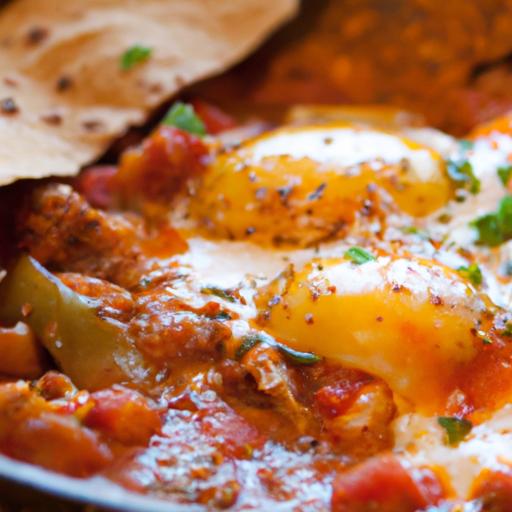

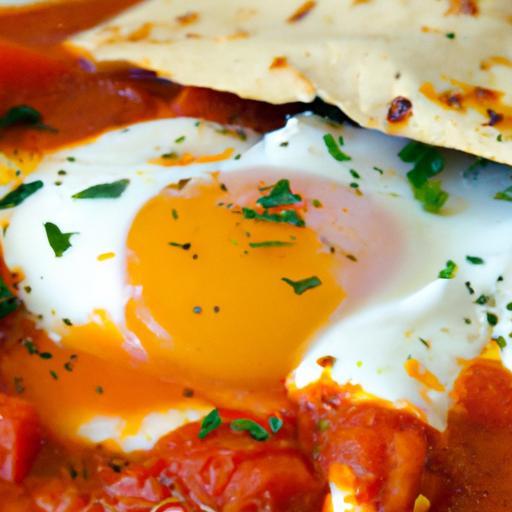
Imagine a sizzling pan filled with a vibrant mosaic of tomatoes, peppers, and spices, crowned with perfectly poached eggs that glisten like morning sunshine. This is shakshuka-a beloved Middle Eastern dish that transforms simple ingredients into a symphony of flavors and textures. More than just a breakfast staple, shakshuka carries with it centuries of history, culture, and culinary tradition.In this article, we’ll dive into the origins of this flavorful egg delight, explore its key ingredients and variations, and uncover why shakshuka has captured the hearts and palates of food lovers around the world. Weather you’re a seasoned foodie or new to Middle Eastern cuisine, get ready to savor the story behind this iconic dish.
Shakshuka, the beloved Middle Eastern egg delight, is a vibrant symphony of spiced tomato sauce and gently poached eggs that has won hearts worldwide. Originating from the Maghreb region and popularized through Israeli cuisine, this dish prides itself on passion, simplicity, and layered flavors that tell stories of tradition and community.
Prep and Cook Time
Preparation: 10 minutes
Cooking: 25 minutes
Total: 35 minutes
Yield
Serves 4 generously
Difficulty Level
Easy – Perfect for beginners and seasoned cooks alike
Ingredients
- 3 tbsp extra virgin olive oil
- 1 medium yellow onion, finely chopped
- 1 red bell pepper, diced
- 3 garlic cloves, minced
- 1 tsp ground cumin
- 1 tsp sweet smoked paprika
- ½ tsp ground coriander
- ½ tsp red chili flakes (adjust to taste)
- 1 can (14 oz) crushed tomatoes
- Salt and freshly ground black pepper, to taste
- 4 large eggs
- fresh cilantro and parsley, chopped (for garnish)
- Optional: crumbled feta cheese or olives for topping
- Warm crusty bread or pita, for serving
Step-by-Step guide to Perfectly Poached Eggs in Spiced Tomato Sauce
- Heat the olive oil in a large deep skillet over medium heat. add the finely chopped onion and red bell pepper. Sauté until softened and slightly caramelized, about 7-8 minutes. Stir occasionally to prevent sticking.
- Add the minced garlic, ground cumin, smoked paprika, ground coriander, and red chili flakes. Cook,stirring constantly,for 1-2 minutes until fragrant.
- Pour in the crushed tomatoes and season with salt and pepper.Stir well and simmer uncovered for 12-15 minutes, allowing the sauce to thicken and the flavors to deepen.
- Make 4 gentle wells in the sauce with the back of a spoon. Carefully crack one egg into each well, ensuring the yolks remain intact.
- Cover the skillet with a lid and cook on low heat for 6-8 minutes,or until the egg whites have set but the yolks are still slightly runny.For firmer yolks, cook an additional 1-2 minutes.
- Garnish with freshly chopped cilantro and parsley, and optionally sprinkle crumbled feta cheese or olives for an extra burst of flavor.
- Serve promptly with warm crusty bread or soft pita to scoop up every delicious bite.
Chef’s Notes: Tips for Success
- For the most vibrant tomato flavor, use high-quality canned crushed tomatoes or fresh, ripe tomatoes in season.
- If you prefer your shakshuka spicier, increase the chili flakes or add a dash of harissa paste to the sauce.
- To avoid overcooking eggs, keep a close eye once you add them. The sauce continues to cook after removing from heat due to residual warmth.
- Make shakshuka ahead by preparing the spiced tomato base, then refrigerate. Reheat gently and add eggs just before serving.
- Experiment with adding roasted eggplants or zucchini into the sauce for a heartier variation while maintaining authenticity.
Creative Twists and Serving Suggestions to Elevate Your Shakshuka experience
Elevate the classic shakshuka by infusing it with your culinary creativity.Swap the traditional spices for a North African ras el hanout blend for a more complex, fragrant sauce. Incorporate fresh spinach or kale just before adding the eggs to introduce vibrant greens and added nutrition. For brunch flair, drizzle a dollop of labneh or Greek yogurt atop each egg, offering a creamy counterpoint to the spicy tomato base.
Serve shakshuka with warm, slightly toasted sourdough or za’atar-spiced pita. Garnishes such as chopped fresh herbs, a squeeze of lemon juice, or a scattering of toasted pine nuts add delightfully contrasting textures and brightness that complement the robust flavors.
| Nutrient | Per Serving |
|---|---|
| Calories | 280 kcal |
| Protein | 14 g |
| carbohydrates | 18 g |
| Fat | 18 g |
For those eager to explore beyond shakshuka,check out other Middle Eastern breakfast recipes that share the same robust regional flavors. Learn more about the history and authentic spices of shakshuka at Britannica.

Q&A
Q&A: Shakshuka – The Flavorful Middle Eastern Egg Delight Explained
Q1: What exactly is Shakshuka?
A1: Shakshuka is a vibrant, delicious dish of eggs poached in a tangy, spiced tomato and pepper sauce. Originating from North Africa and embraced across the Middle East, it’s a flavorful breakfast staple that doubles as a comforting lunch or dinner.
Q2: Where does Shakshuka come from?
A2: Though its roots trace back to Tunisia and the Maghreb region, Shakshuka has become a beloved dish throughout Middle Eastern countries like Israel, Lebanon, and Yemen.its name means “a mixture” or “all tossed together” in Arabic, perfectly describing its rustic and resourceful nature.
Q3: What ingredients give Shakshuka its signature flavor?
A3: The magic lies in its sauce-a symphony of sun-ripened tomatoes, sweet bell peppers, pungent garlic, and sautéed onions. Spices like cumin,paprika,and chili add smoky warmth and a gentle kick,while fresh herbs such as parsley and cilantro bring a shining finish.Q4: How is Shakshuka traditionally prepared?
A4: Traditionally, a rich tomato and pepper sauce is simmered until thick and aromatic. Eggs are then cracked directly into the bubbling sauce and gently poached until the whites set but the yolks remain luscious and runny. It’s typically served straight from the skillet, often accompanied by crusty bread for dipping.
Q5: Can Shakshuka be customized or adapted?
A5: Absolutely! Shakshuka is wonderfully versatile. Some variations include adding feta cheese, spicy chorizo, or greens like spinach. You can turn up the heat with harissa paste or mellow it out with creamy labneh. The dish invites creativity while honoring its core comforting essence.
Q6: Why has Shakshuka gained global popularity?
A6: Shakshuka’s rise is owed to its irresistible combination of simplicity, bold flavors, and visual appeal. It caters to health-conscious eaters with its wholesome ingredients and protein-packed eggs,while its communal style brings people together around the table. Social media also helped showcase its vibrant colors,making it a trendy culinary star.Q7: What’s the best way to enjoy Shakshuka?
A7: The ideal way is to savor it fresh and hot, scooping up silky egg and rich sauce with warm, crusty bread or pita. Pair it with a side of olives, fresh salad, or tangy yogurt to balance the spices. Whether as a hearty breakfast or a cozy dinner, Shakshuka comforts the soul and delights the palate.
Q8: Any tips for perfecting Shakshuka at home?
A8: Use ripe,quality tomatoes-fresh or canned. Let the sauce simmer long enough to develop deep flavor, but keep an eye so it doesn’t dry out. Crack eggs gently and poach with the lid on for even cooking. Don’t be afraid to experiment with spice levels and toppings to make the dish uniquely yours.
Embrace the warmth, the aroma, and the colorful tradition of Shakshuka-a simple dish that tells stories of heritage, community, and love for good food.
In Retrospect
As the tantalizing aroma of simmered tomatoes,fragrant spices,and perfectly poached eggs lingers in the air,shakshuka invites us to slow down and savor every bite of its vibrant history and bold flavors. More than just a dish, it’s a delicious testament to the rich culinary tapestry of the Middle East-a simple yet profound celebration of eggs transformed into an unforgettable experience. Whether enjoyed at a bustling café in Tel Aviv or recreated in your own kitchen, shakshuka remains a flavorful reminder that sometimes, the heartiest stories are told through the humblest ingredients. So next time you cradle a warm, spice-kissed spoonful, remember: you’re tasting a tradition that has united cultures and breakfast tables alike for centuries.