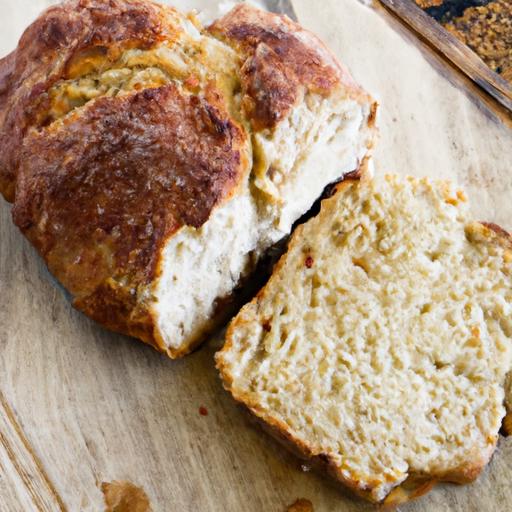

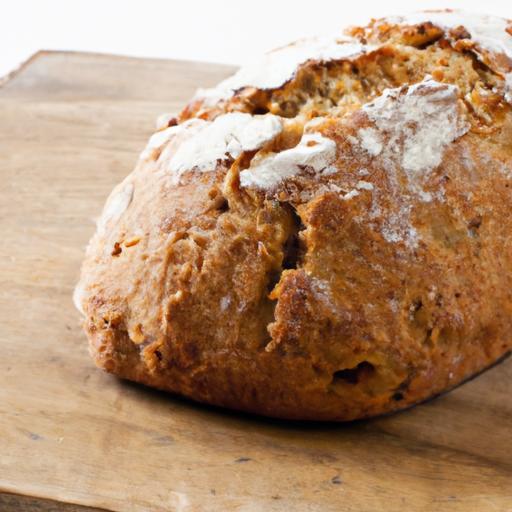
In the rolling hills of Ireland, where history and hearth intertwine, a humble loaf has long warmed the hearts and homes of generations-Irish soda bread. This iconic bread, born from simple ingredients and a clever use of baking soda as leavening, carries with it a rich tradition that transcends time and place. Today, as the demand for gluten-free options grows, this beloved staple is embracing a wholesome conversion. Gluten-Free Irish Soda Bread marries the charm of an age-old recipe with contemporary dietary needs, proving that tradition and healthful taste can coexist beautifully. Join us as we explore how this revitalized classic keeps the spirit of Ireland alive, one slice at a time.
Gluten-free Irish soda bread has carved out a delightful niche in modern baking, blending the rustic charm of tradition with the wholesome benefits of gluten-free ingredients. This beloved Irish classic-originally a simple, quick bread relying on buttermilk and baking soda-has evolved beautifully to meet the needs of those avoiding gluten without sacrificing the authentic texture and flavor that make it so comforting.
Prep and Cook Time
- Readiness: 15 minutes
- Cooking: 40 minutes
- Total Time: 55 minutes
Yield
- 1 loaf (8-10 slices)
- Serves 6-8 people
Difficulty level
- Easy to Medium
Choosing the Best Gluten-Free Flours for Authentic Texture and Flavor
When recreating gluten-free Irish soda bread, the key lies in selecting the perfect flour blend that mimics the crumb and bite of the conventional wheat version. A balanced mixture incorporating glutinous rice flour for binding, brown rice flour for earthiness, and tapioca starch for chewiness ensures yoru loaf is tender yet sturdy. Additionally,a touch of potato starch heightens moisture retention and adds softness to the crumb. Avoid using single-source flours alone, as they can result in dense or gritty textures.For a gluten-free soda bread that truly honors Irish tradition, combining these flours is essential to capture that warm, crumbly feel that invites slices to soak up butter or hearty stews.
Ingredients
- 1 ¾ cups gluten-free all-purpose flour blend (with xanthan gum)
- ½ cup brown rice flour
- ¼ cup tapioca starch
- ¼ cup potato starch
- 1 tsp baking soda
- 1 tsp baking powder (gluten-free)
- 1 tsp fine sea salt
- 2 tbsp raw sugar or coconut sugar
- 1 ¼ cup buttermilk (or dairy-free buttermilk alternative)
- 1 large egg, lightly beaten
- 2 tbsp melted unsalted butter (or coconut oil for dairy-free)
- Optional: ½ cup currants or raisins for a touch of sweetness
Step-by-Step Guide to Perfecting Your Gluten-Free Irish Soda Bread
- Preheat your oven to 425°F (220°C). line a baking sheet with parchment paper for easy cleanup.
- In a large mixing bowl, whisk together the gluten-free all-purpose flour blend, brown rice flour, tapioca starch, potato starch, baking soda, baking powder, salt, and sugar. Make sure the leavening agents are well distributed.
- create a well in the center and pour in the buttermilk, egg, and melted butter. Gently fold the ingredients together using a silicone spatula or wooden spoon. The dough will be sticky; do not overmix to avoid heaviness.
- if using currants or raisins, fold them in at this stage, evenly distributing them throughout the dough.
- Transfer the dough onto a lightly floured surface (using gluten-free flour). Shape it into a round loaf about 7 inches in diameter. Place the loaf onto the prepared baking sheet.
- Score a deep cross on the top of the dough with a sharp knife. This traditional step helps the bread bake evenly and symbolizes blessing.
- Bake for 20 minutes, then reduce the oven to 375°F (190°C) and continue baking for 20 more minutes. The bread is done when the crust is golden brown and a skewer inserted in the center comes out clean.
- Remove from oven and transfer the loaf to a wire rack to cool completely before slicing.Cooling helps set the crumb and enhances flavor.
Creative Variations to Elevate Traditional Recipes with Wholesome Ingredients
For a twist on the classic gluten-free Irish soda bread, experiment with a handful of nourishing additions that bring depth and texture while still resonating with the spirit of tradition. Incorporate finely chopped herbs such as rosemary or thyme for a fragrant loaf that pairs beautifully with soups. Mix in a few tablespoons of ground flaxseed or chia seeds to boost fiber content and add a subtle nuttiness. For a sweet variation, add a splash of orange zest or vanilla extract alongside dried fruit like cranberries or chopped apricots. Just be mindful that extra moisture from fruit may require a slight adjustment in flour quantities.
Chef’s Notes and Tips for Success
- Moisture Balance: Gluten-free doughs frequently require precise moisture control. if the dough feels too wet, dust with a teaspoon more gluten-free flour to prevent spreading.
- Resting Time: Allow the dough to rest for 5 minutes after mixing; this helps hydrate the flours and enhances crumb structure.
- Buttermilk Alternatives: For a dairy-free version, mix 1 ¼ cups of plant-based milk with 1 tbsp vinegar and let sit for 5 minutes to curdle before adding.
- Make-Ahead: The dough can be prepared up to an hour ahead and refrigerated; bring to room temperature before baking for even rising.
- Crispy Crust: Brush the loaf with melted butter immediately after baking for added richness and a shiny crust.
Serving Suggestions
This gluten-free Irish soda bread shines when served warm, slathered generously with creamy butter or tangy Irish butter. Pair it with a comforting bowl of classic Irish stew or alongside smoked salmon and cream cheese for a brunch treat. Garnish with fresh herbs or a sprinkle of flaky sea salt to enhance the rustic appeal. A drizzle of honey or a spread of homemade berry preserves also complements the slight tang of the bread, making every bite a memorable experience.

| Nutrient | Per Serving |
|---|---|
| Calories | 180 kcal |
| Protein | 4 g |
| carbohydrates | 32 g |
| Fat | 5 g |
For further reading on traditional soda bread and its modern adaptations, consider sources like Britannica’s guide on soda bread.
Q&A
Q&A: Gluten-Free Irish Soda Bread: Tradition Meets Wholesome Taste
Q1: What makes Irish soda bread traditionally unique, and how does a gluten-free version honor that tradition?
A: Irish soda bread is beloved for its simplicity-flour, baking soda, buttermilk, and a pinch of salt-yielding a dense, hearty loaf with a slightly tangy crust. The gluten-free adaptation honors this tradition by carefully substituting wheat flour with wholesome gluten-free blends, frequently enough incorporating oat or rice flours, to recreate that iconic crumb and texture without sacrificing the bread’s rustic spirit.Q2: Why is gluten-free Irish soda bread gaining popularity?
A: With rising awareness about gluten sensitivities and celiac disease, many seek tasty alternatives that don’t compromise on taste or comfort. Gluten-free Irish soda bread offers a nostalgic, homey flavor while catering to dietary needs, blending old-world charm with modern nutrition and inclusivity.
Q3: How does the texture of gluten-free Irish soda bread differ from the classic version?
A: Gluten gives traditional bread its elasticity and chew, so gluten-free versions can sometimes be crumblier or denser.However, expert recipes balance moisture and binding agents like xanthan gum or flaxseed to create a tender, sliceable loaf that echoes the familiar crumb and satisfying bite of the original.
Q4: Can you still find that signature “cross” on a gluten-free Irish soda bread?
A: Absolutely! The cross isn’t just decorative-it’s a traditional rite thought to bless the bread and keep evil spirits away. Gluten-free dough can be scored just like the classic, preserving both the symbolic mark and the characteristic crust texture that emerges during baking.
Q5: What are some tips for baking the perfect gluten-free Irish soda bread at home?
A: Use a well-rounded gluten-free flour blend to achieve balance.Don’t overmix; the dough should be just combined to keep the bread tender. Ensure your buttermilk is fresh to activate the baking soda’s leavening power fully. bake until the crust is golden and firm to the touch-a toothpick inserted should come out clean.
Q6: How can gluten-free Irish soda bread be enjoyed beyond the traditional butter and jam?
A: Its hearty, slightly tangy profile pairs wonderfully with savory accompaniments-think smoked salmon and cream cheese, hearty stews, or sharp Irish cheddar. For a creative twist, try it toasted with a drizzle of honey and a sprinkle of toasted nuts for a wholesome snack.
Q7: Does gluten-free Irish soda bread still connect us to Irish heritage?
A: Definitely. Food is culture in every bite, and adapting recipes to meet modern tastes and needs keeps traditions alive and inclusive. Gluten-free Irish soda bread acts as a delicious bridge-honoring heritage while embracing the diversity of today’s tables. It’s tradition, tastefully transformed.
Insights and Conclusions
As the last slice of gluten-free Irish soda bread is savored, we’re reminded that tradition doesn’t have to be sacrificed to embrace modern dietary choices. this humble loaf, steeped in history and simplicity, gracefully bridges the gap between time-honored recipes and wholesome, inclusive eating. Whether enjoyed fresh from the oven or toasted with a smear of butter, gluten-free Irish soda bread invites us all to share in a slice of Irish heritage – proving that the true spirit of tradition lies not just in ingredients, but in the joy of gathering around a table to savor good food and good company.