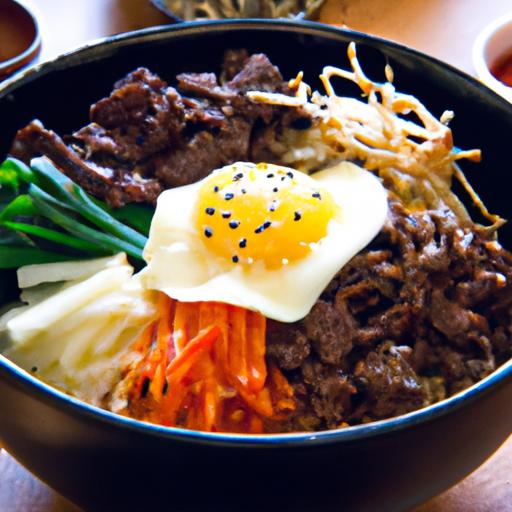

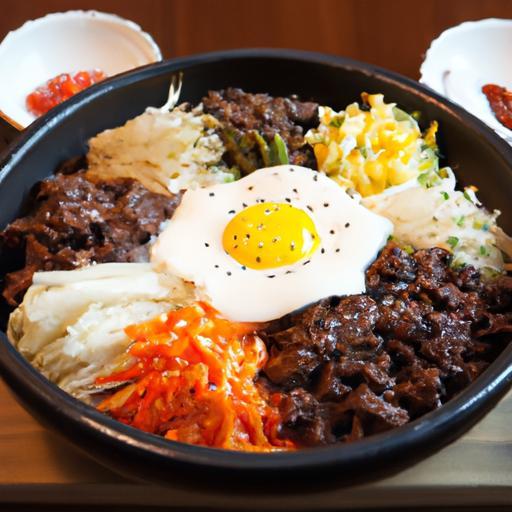
In the vibrant tapestry of Korean cuisine, few dishes capture the harmony of flavors and the richness of tradition quite like beef bibimbap. This iconic bowl, brimming with colorful vegetables, tender marinated beef, and a perfectly fried egg atop steamed rice, is more than just a meal-it’s a festivity of balance and heritage. Each bite tells a story of Korea’s culinary artistry, where freshness meets fiery gochujang and textures blend in delightful contrast. Join us as we explore the history, ingredients, and irresistible taste of beef bibimbap, a dish that continues to inspire both hunger and heart across the globe.
Beef Bibimbap is more than just a visually stunning meal; it embodies centuries of Korean heritage and invites you into a vibrant world where tradition meets taste. Originating from the royal courts and humble rural kitchens alike, this beloved bowl harmonizes diverse flavors, textures, and colors-making it a celebration of balance and nourishment in every bite.
Origins and Cultural Significance of Beef Bibimbap
tracing its roots back to the Joseon Dynasty, beef bibimbap was initially a convenient yet ceremonial dish served to workers and scholars, designed to combine leftover vegetables, rice, and meat into a hearty, portable meal. “Bibimbap” literally means “mixed rice,” reflecting how each ingredient is carefully arranged before being stirred together at the table. This interactive nature of the dish fosters a communal dining experience steeped in respect and harmony.
Over time, beef bibimbap evolved into a symbol of Korea’s culinary ingenuity-balancing simplicity with complexity, nutrition with indulgence. In korean culture, it represents unity; each isolated ingredient shines on its own but truly comes alive when combined. Today, it’s a global ambassador of Korean flavors and is cherished in homes and restaurants worldwide.
Prep and Cook Time
- Preparation: 30 minutes
- cooking: 20 minutes
- Total Time: 50 minutes
Yield
- Serves 4 generous portions
Difficulty Level
- Medium – perfect for adventurous home cooks eager to master traditional Korean flavor layering
Key Ingredients that Make Beef Bibimbap Irresistible
- 2 cups cooked short-grain white rice (preferably freshly steamed)
- 8 oz ground beef, marinated and savory
- 1 medium carrot, julienned
- 1 cup shiitake mushrooms, thinly sliced
- 1 cup spinach, blanched and squeezed dry
- 1 small zucchini, cut into thin strips
- 2 eggs (fried sunny-side-up or raw yolk for authentic texture)
- 2 tablespoons soybean sprouts, blanched
- 2 tablespoons vegetable oil for sautéing
- 2 tablespoons sesame oil
- 2 tablespoons gochujang (Korean chili paste)
- 3 cloves garlic, minced
- 1 tablespoon soy sauce
- 1 teaspoon sugar
- 2 teaspoons toasted sesame seeds
- Green onions, finely sliced for garnish
Step-by-Step Guide to Crafting the Perfect Beef bibimbap
- Prepare the rice: Steam short-grain rice until moist and fluffy. Keep warm while prepping toppings.
- Marinate the beef: In a bowl, combine ground beef with soy sauce, sugar, minced garlic, and a teaspoon of sesame oil. Let it marinate for at least 10 minutes for deep savory notes.
- Sauté the vegetables: Heat 1 tablespoon vegetable oil in a large skillet over medium heat. Sauté carrots, zucchini, shiitake mushrooms, and soybean sprouts separately, seasoning lightly with salt. Each should be tender but still hold a bit of crunch-about 3-5 minutes per veggie.
- Cook the beef: In the same pan, sear the marinated beef until browned and cooked through, about 5 minutes, breaking up clumps to ensure even cooking.
- Blanch the spinach: Quickly blanch spinach in boiling water for 30 seconds, then plunge into ice water.drain well and drizzle with sesame oil and a pinch of salt.
- Cook the eggs: Fry eggs sunny-side-up in a nonstick pan, leaving yolks runny to mix with the rice.
- assemble the bowl: scoop warm rice into individual bowls. Artistically arrange each vegetable and beef on top in sections, highlighting vibrant colors-it should look like a painter’s palette.
- Add finishing touches: Place the fried egg in the center, spoon a dollop of gochujang on the side, and sprinkle with toasted sesame seeds and sliced green onions.
- Serve: Encourage diners to mix all ingredients thoroughly before eating, unlocking a complex medley of textures and flavors.
Expert Tips for Enhancing Flavor and Presentation
- Balance the spice: Adjust gochujang quantity to taste-start small and add more to avoid overpowering the fresh vegetables.
- Use freshly toasted sesame seeds: Toasting releases fragrant oils that elevate your bowl’s aroma.
- Vegetarian option: Substitute beef with marinated tofu or mushrooms and use vegetable broth for deeper umami.
- Rice alternatives: Try mixed grain rice for added texture and nutrition without sacrificing authenticity.
- Presentation matters: use a stone bowl (dolsot) if possible for a delicious crispy rice crust and a traditional eating experience.
- Make ahead: Prep all components except eggs and rice in advance, and assemble just before serving for maximum freshness.
Serving Suggestions
Present beef bibimbap in a wide,shallow bowl to showcase the contrast of colors and textures-think bright orange carrots opposite deep green spinach and earthy mushrooms. Garnish with extra green onions and a drizzle of sesame oil for sheen. Serve alongside classic Korean banchan (side dishes) like kimchi and pickled radish for a full, authentic meal experience. A chilled glass of Korean barley tea (bori-cha) complements its bold flavors beautifully.
| Nutrient | Per Serving |
|---|---|
| Calories | 520 kcal |
| Protein | 32 g |
| Carbohydrates | 55 g |
| Fat | 18 g |

Discover more authentic korean recipes and tips in our Korean Cuisine Collection and learn about the origins of bibimbap on Wikipedia.
Q&A
Q&A: Beef Bibimbap – A Flavorful Korean Bowl of Tradition & Taste
Q1: What exactly is Beef Bibimbap?
A1: Beef Bibimbap is a vibrant and hearty Korean dish that literally means “mixed rice.” At its core, it’s a bowl brimming with steamed rice, tender seasoned beef, an array of colorful sautéed and fresh vegetables, a fried egg, and a generous dollop of spicy gochujang (Korean chili paste). When mixed together, it creates a symphony of textures and flavors that celebrate Korean culinary tradition.
Q2: Where did Beef Bibimbap originate?
A2: Bibimbap has roots dating back to the joseon Dynasty (1392-1897),originally a way to use up leftover vegetables and rice. Over time, it evolved into a beloved national dish, embodying Korea’s historical ingenuity and love for balanced, wholesome meals. The addition of beef adds a rich, savory depth, elevating the dish to a satisfying centerpiece.
Q3: What makes Beef Bibimbap so flavorful?
A3: The magic lies in the marriage of diverse ingredients and contrasting flavors-sweet, salty, spicy, and nutty-all unified by gochujang’s subtle heat.The beef is typically marinated in soy sauce, garlic, sesame oil, and sugar, infusing it with umami perfection. Simultaneously occurring, the crisp veggies offer freshness, and the warm rice acts as a comforting base that ties everything together.
Q4: Are there traditional vegetables used in Beef Bibimbap?
A4: Absolutely! Common veggies include julienned carrots, spinach, bean sprouts, zucchini, mushrooms, and fernbrake (gosari). Each ingredient is lightly seasoned and cooked separately before assembling, allowing their natural flavors to shine and maintain pleasing textures, a testament to korean culinary precision.
Q5: How is beef Bibimbap typically served?
A5: Traditionally, it arrives sizzling hot in a stone bowl called a dolsot. The bowl crisps the rice on the edges, adding a delightful crunch. Diners mix all components vigorously before digging in, ensuring every bite is a perfect blend of flavors. The visual harmony of vivid colors also makes it a feast for the eyes.
Q6: can Beef Bibimbap be customized or made vegetarian?
A6: Absolutely! While beef is a classic topping, bibimbap’s beauty is its versatility. You can swap beef for tofu, mushrooms, or other proteins to suit dietary preferences. The key is maintaining the balance of flavors and textures-the essence of bibimbap’s enduring appeal.
Q7: why has Beef Bibimbap become so popular worldwide?
A7: Beyond its deliciousness, Beef Bibimbap resonates globally because it embodies wholesome eating, cultural richness, and interactive dining. Its balanced nutrition and customizable nature cater to diverse palates, while its story invites peopel to connect with korean heritage-one colorful, flavorful bowl at a time.
This Q&A captures the essence of Beef Bibimbap-both as a treasured Korean tradition and a mouthwatering culinary experience. Whether you’re a curious foodie or an aspiring home cook, this dish invites you to savor history, culture, and flavor all in one bowl.
insights and Conclusions
As the final grains of rice settle and the vibrant medley of beef, vegetables, and spicy gochujang meld together, Beef Bibimbap stands as a testament to the artistry and heritage embedded in Korean cuisine. More than just a meal, it’s a harmonious celebration of textures, colors, and flavors-each bite inviting you deeper into a rich cultural story. Whether enjoyed in a bustling Seoul market or recreated in your own kitchen, this flavorful bowl bridges tradition and taste, reminding us that food is not only nourishment but also a timeless expression of identity and community.So next time you crave a dish that’s as satisfying as it is indeed soulful,let Beef Bibimbap be your flavorful gateway to Korea’s culinary legacy.