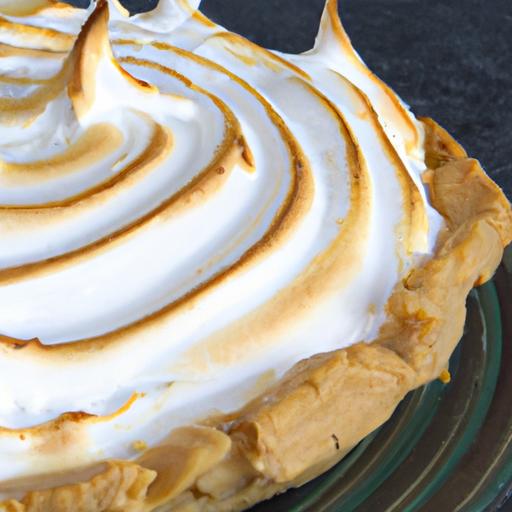

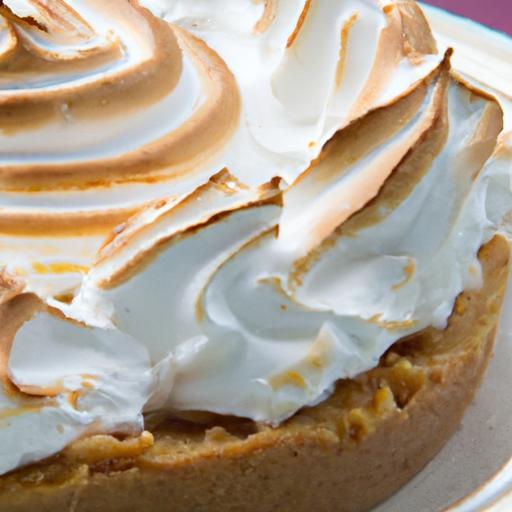
Bright and tangy, with clouds of golden meringue crowning its citrusy core, lemon meringue pie is more than just a dessert-it’s a storied masterpiece of flavor and craft.this iconic treat elegantly balances sharp lemon curd with sweet, airy peaks of whipped meringue, captivating taste buds and hearts alike for generations. But beyond its irresistible taste lies a rich tapestry of history and culinary artistry, revealing how this zesty delight evolved from humble beginnings too a cherished classic in bakeries and home kitchens around the world. Join us as we slice into the fascinating origins, timeless techniques, and creative variations that make lemon meringue pie a truly enduring symbol of dessert perfection.
Zesty Delight: The Art and History of Lemon Meringue Pie begins with a fascinating journey through time-a dessert born at the crossroads of European innovations and American culinary creativity, celebrated for its irresistible contrast between tart citrus and sweet, airy meringue. This iconic pie has evolved from humble beginnings,captivating palates with its vibrant lemon custard perfectly cloaked in a cloud of golden meringue. Its charm lies not only in its taste but in mastering the precise harmony of textures and flavors that invite both novice and seasoned bakers to create a timeless classic in thier own kitchens.
Prep and Cook Time
- Readiness: 30 minutes
- Cooking: 45 minutes
- Cooling: 2 hours (recommended for best results)
Yield
Serves 8 generous slices
Difficulty Level
Medium – requires attention to detail but rewarding for every home baker
Choosing the Ideal ingredients for a Flawless Pie Crust and Filling
Every slice of this lemon meringue pie starts with a perfectly baked crust-a crisp, buttery base that supports the thick, velvety lemon filling without sogginess or cracks. For the crust, opt for unsalted butter that’s cold and cubed, combined with all-purpose flour and a pinch of fine sea salt to balance the sweetness. A hint of granulated sugar in the crust adds a delicate crunch and subtle sweetness that complements the tangy filling. For the lemon custard,fresh lemons delivering bright,zesty juice and finely grated zest are non-negotiable. Egg yolks enrich the custard’s silkiness, while cornstarch ensures a stable, smooth texture that holds firm beneath the meringue’s lofty cloud. A splash of whole milk or cream adds richness without overpowering the citrus brightness.
Mastering the Perfect Balance Between Tart Lemon and Sweet Meringue
The star of this recipe is the mesmerizing interplay between the tartness of the lemon filling and the delicate sweetness of the meringue topping. Achieving this balance means tasting as you go-too little sugar dulls the lemon’s punch, while too much can overwhelm the fresh tartness. similarly,the meringue should be whipped just right: glossy and stiff,lightly sweetened to counter the lemon’s acidity,yet still possessing an airy lift that contrasts the dense filling. Adding a pinch of cream of tartar stabilizes the egg whites, giving the meringue enduring volume that won’t weep or collapse as it bakes to a majestic golden brown.
Expert Tips for achieving the Signature Fluffy and Golden Meringue Top
Fluffy, golden meringue is the crowning glory of this dessert and requires a few expert techniques.First, ensure your mixing bowl and beaters are impeccably clean and free of any grease to encourage the egg whites to whip fully. Separate eggs at room temperature for maximum volume, then whisk in sugar gradually, allowing the grains to dissolve completely for a smooth texture. Spoon the meringue generously atop the hot lemon filling, swirling with a spatula to create peaks that catch the heat and color beautifully. Bake at a moderate temperature-too hot and the meringue can brown unevenly, too cool and it won’t set properly. As it bakes, the sugars caramelize, turning the peaks a mesmerizing tan without sacrificing the tender cloud-like softness beneath.
Ingredients
- Pie Crust:
- 1 ¼ cups all-purpose flour, sifted
- ½ cup unsalted butter, cold and cubed
- 2 tablespoons granulated sugar
- ¼ teaspoon fine sea salt
- 3-4 tablespoons ice-cold water
- Lemon Filling:
- 1 cup fresh lemon juice (about 4-5 lemons)
- 2 teaspoons finely grated lemon zest
- 1 ½ cups granulated sugar
- 4 large egg yolks
- ½ cup water
- 3 tablespoons cornstarch
- 2 tablespoons unsalted butter, cut into pieces
- Meringue:
- 4 large egg whites, at room temperature
- ½ cup granulated sugar
- ¼ teaspoon cream of tartar
- 1 teaspoon pure vanilla extract (optional)
Instructions
- Prepare the pie crust: In a large bowl, combine flour, sugar, and salt. using a pastry blender or fingertips, cut in the cold butter until mixture resembles coarse crumbs.
- Add ice water, one tablespoon at a time, mixing gently until dough just holds together without being wet or sticky.
- Shape dough into a disk, wrap in plastic, and chill for 30 minutes.
- Roll dough on a lightly floured surface into a 12-inch circle. transfer to a 9-inch pie dish, trimming edges and crimping decoratively.
- Blind bake crust: line it with parchment and fill with pie weights or dried beans. Bake at 375°F (190°C) for 15 minutes, then remove weights and bake 10 more minutes until golden and crisp. Cool on a wire rack.
- Make the lemon filling: In a medium saucepan, whisk together sugar and cornstarch until combined. Gradually add water and cook over medium heat until thick and bubbly, stirring constantly.
- In a separate bowl, lightly beat egg yolks. Temper yolks by slowly adding a bit of hot mixture, whisking continuously to avoid curdling.
- Return tempered yolk mixture to saucepan, add lemon juice and zest, stir constantly for 2-3 minutes until thickened.Remove from heat; stir in butter until melted and smooth.
- Pour hot filling into the prebaked pie shell.
- Prepare the meringue: In a clean bowl, beat egg whites and cream of tartar on medium speed until soft peaks form.
- Gradually add sugar, one tablespoon at a time, increasing speed to high. beat until stiff, glossy peaks form and sugar dissolves. Fold in vanilla extract if using.
- Spread meringue over hot lemon filling, sealing edges to the crust to prevent shrinking.
- Bake at 350°F (175°C) for 12-15 minutes, or until meringue is golden and peaks are slightly browned.
- cool completely on a wire rack, then chill for at least 2 hours before serving for best slicing and flavor.
Tips for success
- For a flakier crust, use a mix of butter and shortening to boost tenderness and workability.
- To avoid weeping meringue, bake immediately after spreading on the filling and ensure no sugar granules remain undissolved.
- Make ahead: Bake pie shell and prepare filling a day in advance; add meringue and bake shortly before serving to maintain height and texture.
- Substitutions: Use superfine sugar in meringue for a smoother texture; for a dairy-free filling, substitute butter with coconut oil.
- use fresh lemons rather than bottled juice for vibrant, authentic flavor and aroma.
Serving Suggestions
Serve each slice chilled or slightly warmed.Garnish with thin lemon slices, finely chopped fresh mint, or a light dusting of powdered sugar to enhance the presentation. Pair with a dollop of freshly whipped cream or a scoop of vanilla bean ice cream for a decadent contrast. A crisp cup of Earl Grey tea or a glass of sparkling Prosecco complements the zesty delight beautifully.
| Nutritional Info (Per Serving) | Amount |
|---|---|
| Calories | 350 kcal |
| Protein | 5 g |
| Carbohydrates | 50 g |
| Fat | 12 g |

For more inspiration on citrus desserts, visit our internal guide on Delicious Citrus Dessert Recipes. To dive deeper into citrus fruit uses,explore this complete Britannica article on citrus fruits.
Q&A
Q&A: Zesty Delight – The Art and History of Lemon Meringue Pie
Q1: What makes lemon meringue pie such a beloved dessert?
A1: Lemon meringue pie captivates with its trifecta of textures and flavors-a tangy, vibrant lemon custard nestled beneath a billowy, sweet meringue cloud, all resting on a buttery, flaky crust. This harmony of tartness, sweetness, and crunch creates a sensory dance that delights the palate and evokes a sense of nostalgic comfort.
Q2: Where did lemon meringue pie originate?
A2: The roots of lemon meringue pie can be traced back to 19th-century European kitchens, where inventive cooks first combined citrus custards with whipped egg whites. While lemon tarts and meringue desserts existed separately for centuries,it wasn’t until the mid-1800s that the classic layering of lemon curd and meringue took its familiar form-an inventive twist that quickly sailed across the Atlantic and into American ovens.
Q3: How is the lemon custard traditionally made?
A3: At the heart of the pie lies the luscious lemon custard, made by carefully cooking fresh lemon juice, zest, sugar, egg yolks, and butter until thick and velvety.The process balances acidity with sweetness and richness, coaxing the flavors into a vibrant, silky filling that can stand up to the airy meringue without overpowering it.
Q4: What’s the secret to perfect meringue topping?
A4: The art of meringue rests on the humble egg white, expertly whipped to stiff peaks with just the right amount of sugar to create glossy, cloud-like folds. The meringue must be sealed over the warm lemon custard immediately to prevent weeping,then baked until it forms a golden,toasted crown-both visually stunning and texturally delightful.
Q5: Why is lemon meringue pie considered a balance of artistry and science?
A5: Lemon meringue pie is a delicate balancing act-too much lemon and the custard curdles; too little sugar and the meringue won’t hold; underbake and the topping weeps, overbake and it becomes tough. It requires an intuitive understanding of temperature, timing, and texture, making each accomplished pie both a scientific triumph and a creative masterpiece.
Q6: How has lemon meringue pie evolved over time?
A6: while the classic version remains cherished,modern bakers have experimented with variations like incorporating other citrus fruits,infusing herbs such as lavender or basil,or adding crunchy elements like almond crusts.Some even reinterpret the dish in deconstructed forms or as frozen semifreddos, expanding the pie’s legacy into contemporary culinary art.
Q7: What cultural significance does lemon meringue pie hold?
A7: Beyond its delectable taste, lemon meringue pie symbolizes hospitality, home baking tradition, and seasonal party-especially in spring and summer when lemons shine brightest. It often graces family gatherings, picnics, and community potlucks, embodying a shared heritage of comfort and joy distilled into a slice.
Q8: Any tips for aspiring bakers tackling their first lemon meringue pie?
A8: Patience and precision are your best allies. Use fresh lemons for vibrant flavor, whip your egg whites in a perfectly grease-free bowl, and never rush the baking process.Remember, the pie must cool gradually to set properly, so resist the urge to slice too soon. and most importantly-have fun embracing the sensory adventure!
To Wrap It Up
From its tangy roots to its cloud-like crown, lemon meringue pie is more than just a dessert-it’s a celebration of balance, creativity, and culinary tradition. as you savor that perfect bite of zesty lemon curd beneath a billowy,toasted meringue,your tasting centuries of innovation and passion folded into one iconic treat. Whether enjoyed at a festive gathering or as a quiet indulgence, this vibrant pie continues to delight palates and inspire bakers around the world.So next time you slice into a lemon meringue pie, remember: you’re partaking in a delicious story that’s as rich and layered as the dessert itself.