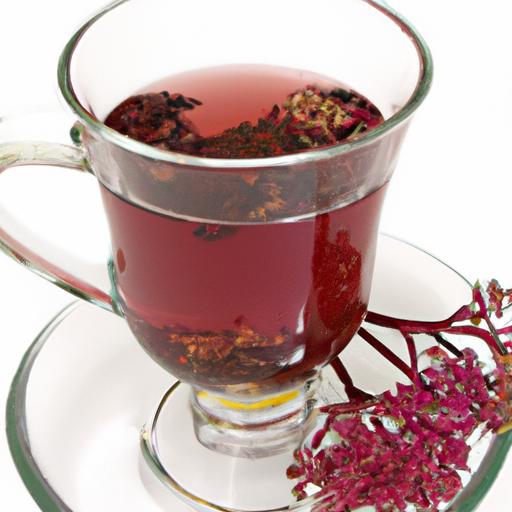

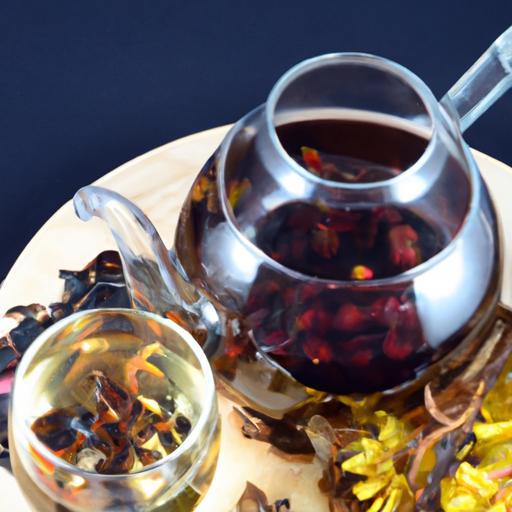
In a world where wellness trends come and go, some age-old remedies continue to stand the test of time-elderberry tea being one of them. Bursting with antioxidants, vitamins, and a touch of nature’s magic, elderberry tea has quietly earned its place as a soothing elixir for body and mind alike. Whether you’re battling seasonal sniffles or simply seeking a cozy cup to brighten your day, this simple elderberry tea recipe guide will walk you through the art of brewing not just a drink, but a blend of health benefits steeped in tradition. So, grab your favorite mug and get ready to brew the benefits-one delightful sip at a time.
Brew the Benefits: Unlocking Elderberry’s Health Perks through Tea Infusion
Brew the Benefits of elderberry tea offers a soothing, antioxidant-rich experience that has long been cherished in herbal traditions worldwide. From my first sip during a crisp autumn morning to the comforting warmth on a chilly evening, elderberry tea stands out as a natural elixir that supports immunity and uplifts the senses. Each cup captures the vibrant essence of these tiny, potent berries, unlocking a world of flavor and wellness.
Prep and Cook Time
Preparation: 5 minutes | Brewing: 10 minutes
Yield
Makes 2 cups (approximately 16 oz)
Difficulty Level
Easy
Ingredients
- 1/4 cup dried elderberries (organic, unsweetened)
- 2 cups filtered water
- 1-2 teaspoons raw honey or maple syrup (optional, for natural sweetness)
- 1 cinnamon stick (optional, for warm spice)
- 2-3 slices fresh ginger (optional, for a zesty kick)
- 1 teaspoon fresh lemon juice (optional, to brighten flavor)
Instructions
- prepare Your Elderberries: Rinse the dried elderberries gently in cold water to remove any impurities, then drain.
- Boil Water: In a small saucepan, bring 2 cups of filtered water to a rolling boil over medium heat.
- Add Elderberries and Flavorings: Reduce heat to low and add the elderberries, cinnamon stick, and fresh ginger slices.simmer gently, uncovered, for 10 minutes. Stir occasionally to release the berries’ rich flavor and medicinal properties.
- Strain the Tea: remove the saucepan from heat and strain the liquid through a fine mesh sieve or cheesecloth into a teapot or heatproof pitcher.Press gently on the elderberries to extract every drop of goodness.
- Sweeten and Enhance: Stir in raw honey or maple syrup and fresh lemon juice, if desired, to balance the earthy depth with a burst of sweetness and brightness.
- Serve Hot or Cold: Pour into your favorite mugs or over ice for a refreshing iced tea variation. Garnish with a cinnamon stick or a lemon slice for a visually stunning presentation.
Chef’s Notes: Tips for Success
- Choose high-quality elderberries: Always select organically grown or wildcrafted dried elderberries without added fillers to maximize flavor and potency.
- Avoid raw elderberries: Raw elderberries can be toxic; drying or cooking is essential to safely enjoy their benefits.
- Customize your brew: Experiment with additional herbs like chamomile or mint to tailor the tea to your taste and wellness needs.
- Make-ahead tip: Brew a larger batch and store in the refrigerator for up to 3 days. Warm gently before serving or enjoy chilled.
- For a stronger infusion: Extend simmering time up to 15 minutes but avoid boiling aggressively to preserve delicate compounds.
Serving Suggestions
Present your elderberry tea in clear glass mugs to showcase the tea’s deep plum hue. Garnish with a cinnamon stick or a thin lemon wheel perched on the rim for a touch of elegance. Pair with light snacks such as almond biscotti,spiced nuts,or fresh fruit to complement the tea’s complex flavor profile. For a calming evening ritual, serve alongside a cozy blanket and your favorite book.
| Nutrient | Per Cup (8 oz) |
|---|---|
| Calories | 45 |
| Protein | 1g |
| Carbohydrates | 12g |
| Fat | 0g |
| Vitamin C | 15% DV |
| Antioxidants | High |

For more immune-boosting herbal recipes, check out our thorough guide on natural cold remedies. To explore the science behind elderberries’ powerful antioxidants, visit this detailed overview at NCBI’s research portal.
Q&A
Brew the Benefits: A Simple Elderberry Tea Recipe Guide - Q&A
Q1: What makes elderberry tea such a popular health tonic?
A1: Elderberry tea has been cherished for centuries due to its potent blend of antioxidants,vitamins,and immune-boosting properties. Rich in vitamin C and flavonoids, elderberries help fight off colds, reduce inflammation, and promote overall wellness-making every warm sip a comforting dose of nature’s medicine cabinet.Q2: Is elderberry tea easy to make at home?
A2: Absolutely! One of the best things about elderberry tea is how simple it is. With just dried elderberries, water, and a few optional spices like cinnamon or ginger, you can brew a cozy cup of health-enhancing elixir in under 30 minutes. No fancy equipment required-just a pot, a strainer, and a dash of patience.
Q3: Can I use fresh elderberries for the tea?
A3: While fresh elderberries can be used, they must be cooked thoroughly to neutralize natural toxins found in raw berries. Dried elderberries are ofen preferred for tea because they’ve already gone through a drying process that reduces those risks,making them safer and more convenient for brewing.
Q4: How do I brew the perfect cup of elderberry tea?
A4: Start by simmering about 1-2 tablespoons of dried elderberries in 2 cups of water for 20-30 minutes. Onc the water deepens to a rich purple hue, strain the berries out. Sweeten with honey or maple syrup and add a squeeze of lemon for a shining, tangy finish. Sip slowly and enjoy the warmth and wellness flowing through you!
Q5: Are there any precautions I should take before drinking elderberry tea?
A5: Elderberry tea is generally safe for most adults, but it’s best to avoid raw or unripe berries, which can be toxic. Pregnant or breastfeeding women, and also individuals with certain medical conditions or allergies, should consult a healthcare provider before incorporating elderberry products into their routine. Moderation is key-too much of even good things can sometimes cause stomach upset.
Q6: Can elderberry tea help with colds and flu?
A6: Many studies suggest elderberries can shorten the duration and severity of cold and flu symptoms by boosting the immune system and reducing inflammation. while elderberry tea isn’t a cure-all, it’s a delightful, natural aid that’s worth brewing when sniffles strike.
Q7: What are some fun twists to try with elderberry tea?
A7: Experiment with adding warming spices like cinnamon sticks, star anise, or fresh ginger for extra zing and health perks. Mixing elderberry tea with green or black tea can add caffeine and antioxidants. For a refreshing twist, chill the brewed tea and serve it iced with a splash of sparkling water and fresh mint leaves.
Q8: Where can I find dried elderberries to make my tea?
A8: Dried elderberries are widely available online, at health food stores, and some specialty markets. When buying, opt for organic, unsweetened varieties to ensure purity and quality. If adventurous, you can forage elderberries in the wild, but always be certain of correct identification and safety precautions!
Brew your own cup of elderberry tea and toast to nature’s gentle power. with each warm, fruity sip, you’re not just enjoying a beverage-you’re steeping in centuries of healthful tradition. Cheers to wellness, one cup at a time!
In Summary
As the steam rises from your freshly brewed elderberry tea, you’re not just savoring a warm, comforting drink-you’re embracing centuries of nature’s wisdom in a single cup. This simple recipe opens the door to a world of health benefits, from immune support to antioxidant boosts, all wrapped in deep, fruity flavors. So whether you’re seeking a cozy ritual or a natural wellness ally, elderberry tea offers a delicious and accessible way to nurture your body and soul. Brew it, sip it, and let the benefits infuse your day-because sometimes, the best remedies come straight from the garden, one gentle steep at a time.